Muhammad Amanullah | August 10, 2026
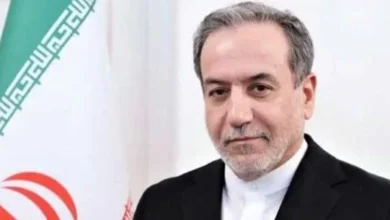
Iran’s Deputy Speaker Ali Nikzad has said that the Strait of Hormuz will not return to the way it operated before the war, signaling that a new system for maritime traffic in the region could emerge.
According to Iranian news agencies, Nikzad said Iran had already sent a clear message to its opponents during the conflict that the future management of the Strait of Hormuz would not follow the same arrangements that existed in the past.
Iran Warns Its Opponents
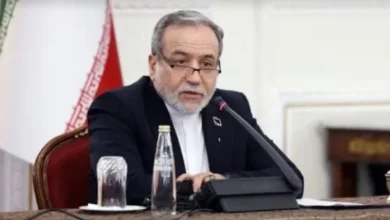
Speaking in the Iranian parliament about the latest regional developments, Ali Nikzad said Iran had repeatedly warned that maritime traffic through the Strait of Hormuz would not return to its previous system after the war.
He said the opposing side had ignored Iran’s warnings, but developments over time were now making the reality of the situation clearer.
Nikzad did not provide specific details about what the proposed new system would look like or which countries or organizations would be responsible for implementing it.
Military Force Cannot Restore the Strait, Iran Says
Ali Nikzad claimed that the United States and Israel had now reached the conclusion that the Strait of Hormuz could not simply be restored to its previous status through military force.
He said a new system was emerging in the region and that the relevant parties would have to recognize the new circumstances.
However, the Iranian deputy speaker did not explain what practical measures would form part of this proposed new framework.
New Rules for Maritime Traffic Could Emerge
According to Iranian officials, new procedures could be introduced for commercial and other vessels using the Strait of Hormuz.
These arrangements could potentially cover maritime traffic, security measures, environmental protection and other services related to shipping.
Iran’s position is that the circumstances surrounding the Strait have changed and that future arrangements should take the new regional situation into account rather than simply restoring previous practices.
Iran and Oman Discuss Maritime Arrangements
Iran and Oman have recently been in contact over arrangements aimed at facilitating the safe movement of commercial vessels through the Strait of Hormuz.
Iranian officials have previously emphasized that establishing a safe maritime route and fully reopening the Strait under normal conditions are two different matters.
This position suggests that Tehran may distinguish between allowing safe passage under specific circumstances and restoring the waterway to completely normal operations.
Why Is the Strait of Hormuz So Important?
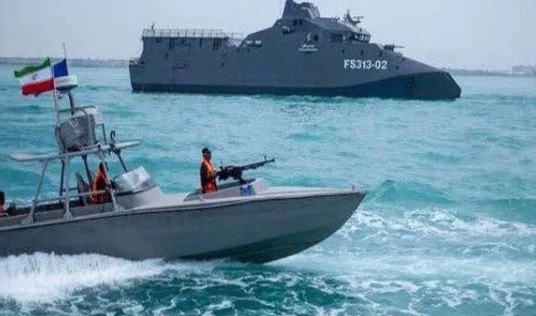
The Strait of Hormuz is a strategically important waterway connecting the Persian Gulf with the Gulf of Oman and the Arabian Sea.
It plays a major role in global energy trade because significant volumes of oil and other energy products from the Gulf region pass through the waterway on their way to international markets.
Any prolonged disruption or major change in maritime traffic through the Strait could therefore have consequences far beyond the Middle East.
Potential effects could extend to global shipping, international trade and energy prices.
Iran Also Faces Economic Challenges
Ali Nikzad also linked the Strait of Hormuz issue to Iran’s broader economic difficulties.
According to his remarks, the war and prolonged regional tensions have placed additional pressure on Iran’s economy.
He said reducing economic difficulties and strengthening the domestic economy are among the government’s main priorities under the current circumstances.
Future Talks Could Be Crucial
Nikzad’s comments suggest that Tehran is not necessarily moving toward a return to the previous arrangements governing the Strait of Hormuz. Instead, Iran appears to be signaling the possibility of a new administrative and security framework for the strategically important waterway.
Future discussions between Iran, Oman and other relevant regional parties could provide a clearer picture of how maritime traffic through the Strait will be managed.
The outcome of those talks could also have wider implications for international shipping, energy markets and regional security.