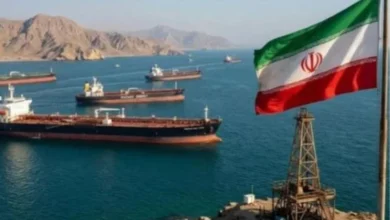
The True Post(Web News)Following a ceasefire agreement in Lebanon and the reopening of the Strait of Hormuz, the Iranian government has issued a warning that it may close the strategic waterway again if the United States continues its blockade of Iranian ports.
The reopening of the key maritime route led to a surge in global stock markets, while crude oil prices in the international market also recorded a noticeable decline.
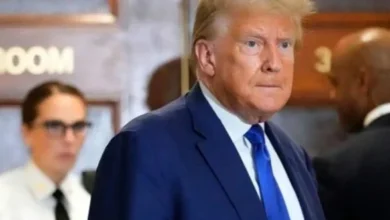
U.S. President Donald Trump said that a peace deal is very close and claimed that Iran has agreed to hand over its enriched uranium to the United States, which was a major sticking point in negotiations. However, Iran has rejected this claim, stating that its enriched uranium stockpile will not be transferred anywhere.
Iran has also warned that if U.S. naval forces continue to stop ships departing from Iranian ports, the Strait of Hormuz could once again be closed.
Iranian Parliament Speaker Mohammad Bagher Ghalibaf wrote on social media platform X that if the blockade continues, the Strait will not remain open and passage through it will require Iran’s permission. He also criticized Trump’s statements, calling them false and saying such claims would neither win a war nor succeed in negotiations.
Iranian Foreign Ministry spokesperson Ismail Baghaei stated that the opening and closing of the Strait of Hormuz is not decided online but on the ground, and Iran’s armed forces know how to respond to any hostile action. He warned that any naval blockade would be considered a violation of the ceasefire and would face an appropriate response from Iran.
According to Iran’s Defense Ministry, passage through the Strait of Hormuz is conditional on the ceasefire, and access to this vital trade route depends on the current security situation.
Defense Ministry spokesperson Brigadier General Reza Talaee-Nik said the Strait will remain open only under the ceasefire conditions. He added that military vessels and ships linked to hostile forces will not be allowed to pass through.
He further stated that the current situation is temporary, and if conditions on the ground—particularly regarding Lebanon—change, the Strait of Hormuz could be closed again.