Muhammad Aman Ullah July 24, 2026
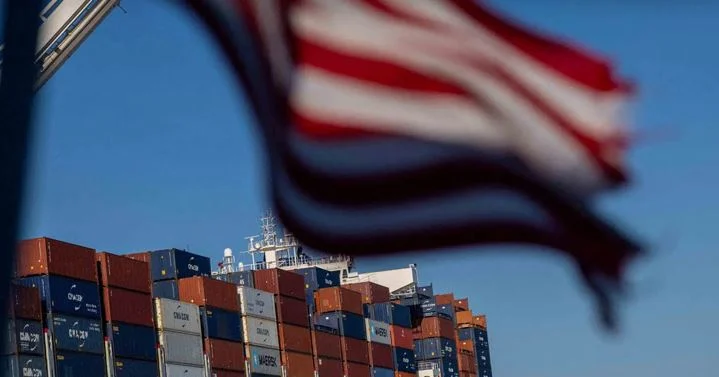
WASHINGTON, D.C. — The United States has introduced a new round of import tariffs affecting products from Pakistan, Canada, China, India, the European Union, and nearly 60 other trading partners, marking another escalation in global trade policy.
The new duties, ranging from 10% to 12.5%, took effect on Friday and apply to selected imported goods from the affected countries.
According to U.S. officials, the measures are intended to encourage trading partners to strengthen enforcement against forced labor within global supply chains and ensure imported goods meet U.S. labor standards.
Replacing Earlier Temporary Tariffs
The new tariffs replace a temporary 10% global tariff that had been implemented following legal developments surrounding previous U.S. trade measures.
Officials said the latest duties have been introduced under Section 301 of the Trade Act of 1974, providing the administration with a different legal framework for addressing trade concerns.
The move follows earlier tariff policies introduced during former President Donald Trump’s administration, which imposed duties ranging from 10% to 50% on imports from multiple countries in an effort to reduce the U.S. trade deficit.
Countries Affected
Products imported from Pakistan and numerous other countries will generally face an additional 10% tariff.
The affected list includes:
- Pakistan
- Canada
- China
- India
- Bangladesh
- United Kingdom
- Mexico
- Malaysia
- Indonesia
- Cambodia
- Sri Lanka
- Argentina
- Ecuador
- Guatemala
- Honduras
- Jordan
- El Salvador
- Trinidad and Tobago
Some trading partners will be subject to 12.5% tariffs, depending on the product category and trade classification.
Products Exempt From the New Tariffs
The U.S. government said the new duties will apply to approximately 99.4% of imports, but several categories have been exempted.
Exempt products include:
- Crude oil
- Natural gas
- Fertilizers
- Selected agricultural commodities
- Products already subject to Section 232 national security tariffs, including:
- Automobiles
- Steel
- Aluminum
- Copper
Many goods traded under the United States–Mexico–Canada Agreement (USMCA) will also remain exempt.
U.S. Explains the Decision
U.S. Trade Representative Jamieson Greer said the United States has long prohibited imports made with forced labor and believes its trading partners should adopt similar standards.
He said stronger enforcement would help protect workers’ rights while creating fairer conditions in international trade.
Greer added that countries with existing trade agreements with the United States would continue to receive treatment consistent with those agreements.
International Reaction
The announcement has drawn criticism from several major U.S. allies.
The European Union rejected the justification for the new tariffs, arguing that its labor regulations already provide strong protections against forced labor.
EU officials said the new measures create unnecessary uncertainty for businesses and pledged to seek clarification from Washington.
Meanwhile, Australia and Brazil also criticized the tariffs, describing them as unnecessary and indicating they would pursue diplomatic discussions with the United States.
Canada’s Response
Canada, which recently faced additional U.S. tariffs on approximately $20 billion worth of exports, responded cautiously.
Canada’s Minister responsible for U.S. Trade, Dominic LeBlanc, said both governments will continue negotiations in the coming weeks to protect workers, businesses, and cross-border trade.
Domestic Criticism in the United States
The policy has also faced criticism within the United States.
Massachusetts Governor Maura Healey warned that higher import duties could increase consumer prices, place additional pressure on businesses, and reduce the competitiveness of the U.S. economy.
Legal Challenges Expected
Trade law experts say the new tariffs could prove more difficult to challenge in court because they have been implemented under Section 301 of the Trade Act, rather than the legal authority used for previous temporary tariffs.
Analysts believe the measures could have significant implications for global supply chains, international trade relationships, and economic cooperation, with additional responses from affected countries expected in the coming weeks.
 Muhammad Amanullah Send an email July 24, 2026