Muhammad Aman Ullah
July 28, 2026
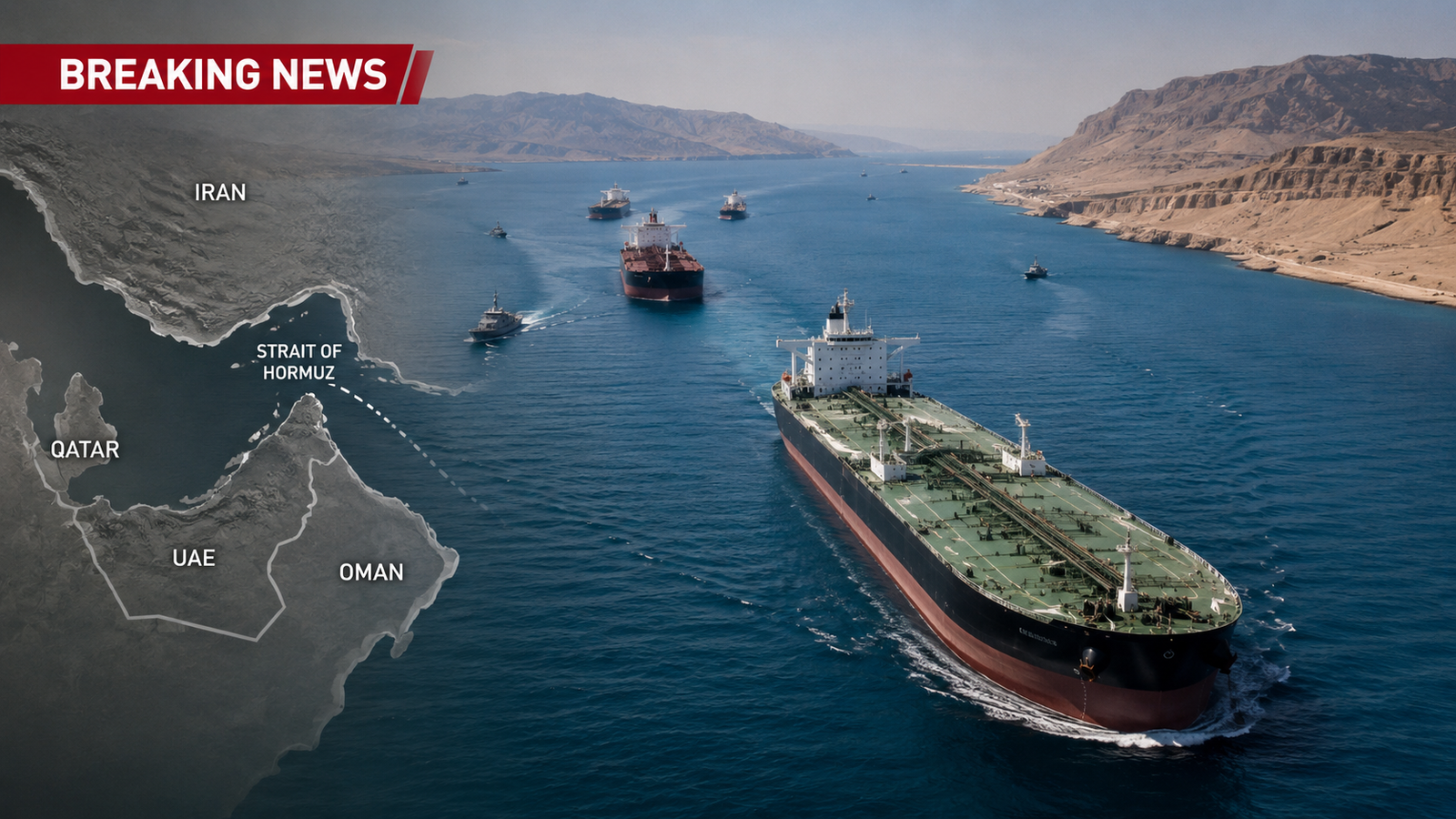
Oman has proposed a new regional framework to manage the Strait of Hormuz, one of the world’s most strategically important maritime routes, as tensions continue to rise across the Gulf region.
According to reports, the proposal seeks to establish a joint regional mechanism involving multiple Gulf nations rather than allowing any single country to exercise exclusive control over the critical waterway. Diplomatic consultations are reportedly underway, with several Gulf states expressing support for the initiative.
Proposal Aims to Reduce Regional Tensions
Sources familiar with the discussions say the Omani proposal is designed to improve maritime security while lowering the risk of military confrontation in the Gulf.
Under the proposed framework, the management of the Strait of Hormuz would be shared among regional stakeholders, promoting cooperation in navigation, security, emergency response, and the protection of commercial shipping routes.
The initiative comes at a time of heightened geopolitical tensions in the Middle East, where concerns over freedom of navigation and regional stability remain high.
Inspired by the Strait of Malacca Model
According to Reuters and regional sources, Oman has referenced the successful management model of the Strait of Malacca in Southeast Asia.
That system relies on cooperation among neighboring countries and voluntary financial contributions from shipping companies to fund maritime safety, navigational infrastructure, environmental protection, and search-and-rescue operations.
Officials believe a similar cooperative approach could improve security in the Strait of Hormuz while reducing political friction among regional powers.
Why the Strait of Hormuz Matters
The Strait of Hormuz is considered one of the world’s most vital energy corridors.
A significant share of global crude oil and liquefied natural gas (LNG) exports passes through the narrow waterway every day, connecting Gulf producers with international markets in Asia, Europe, and beyond.
Any disruption to shipping in the strait has the potential to affect global energy supplies, international trade, and oil prices, making the region a focal point for governments and energy markets worldwide.
Regional Cooperation Could Improve Maritime Security
Supporters of the proposal argue that a jointly managed security framework would help ensure uninterrupted commercial shipping while strengthening cooperation among Gulf countries.
The mechanism could also facilitate coordinated responses to emergencies, environmental incidents, and potential security threats, providing greater confidence to international shipping companies and energy markets.
Analysts note that regional cooperation is increasingly seen as an essential element in maintaining stability in one of the world’s busiest maritime corridors.
Diplomatic Discussions Continue
Although the proposal has reportedly received positive attention from several Gulf states, no formal agreement has been announced.
Diplomatic consultations are expected to continue in the coming weeks, with participating governments evaluating the legal, political, and security implications of a shared governance model.
Observers say any future arrangement would require broad regional consensus and respect for international maritime law.
Global Implications
Energy analysts warn that developments involving the Strait of Hormuz are closely monitored by governments, investors, and shipping companies because of the waterway’s central role in global energy supply chains.
If implemented, Oman’s proposal could represent an important diplomatic step toward enhancing regional cooperation while helping safeguard one of the world’s most strategically significant maritime routes.
For now, discussions remain at the consultation stage, but the proposal has already attracted international attention as countries seek long-term solutions to preserve stability and ensure the uninterrupted flow of global commerce.