Muhammad Irfanullah | August 12, 2026
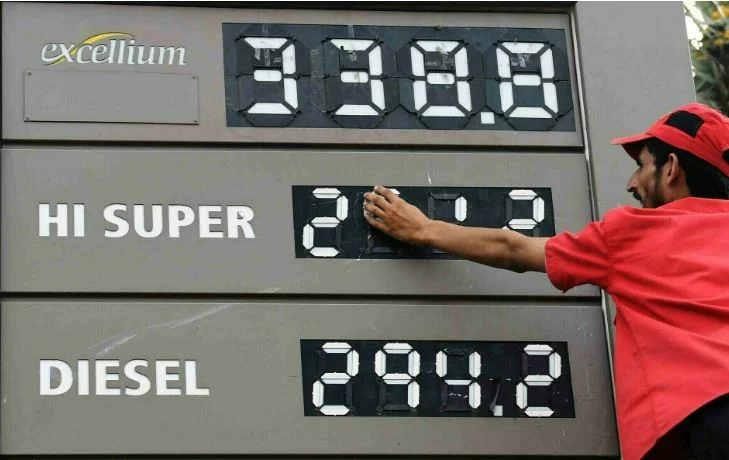
The Ture Post (Web News): Pakistan has once again revised the prices of petroleum products. The government has reduced the price of petrol by Rs. 1.70 per litre, setting the new price at Rs. 325.92 per litre. At the same time, the price of diesel has increased by Rs. 1.39 per litre, bringing the new diesel price to Rs. 382.25 per litre.
According to a notification issued by the Ministry of Energy, the new prices will take effect from August 12, 2026. A day earlier, petrol was priced at Rs. 327.62 per litre, while diesel was selling at Rs. 380.86 per litre.
Although petrol prices have been reduced, the cut is relatively small for ordinary consumers. This raises an important question: Why do petroleum prices in Pakistan continue to fluctuate, why does the government revise them so frequently, and when will consumers receive meaningful relief?
Global Oil Market Impact
Petrol prices in Pakistan are closely linked to crude oil prices in the international market. Pakistan meets a significant portion of its energy requirements through imported crude oil and petroleum products, meaning changes in global oil prices can directly affect the domestic market.
When international oil prices rise, the cost of importing crude oil and refined petroleum products also increases for Pakistan. This creates pressure to raise prices in the local market.
Conversely, when global oil prices decline, petroleum products in Pakistan should theoretically become cheaper. However, the amount of relief passed on to consumers does not depend solely on international oil prices.
The Dollar Is Also a Key Factor
The value of the Pakistani rupee against the US dollar also plays an important role in determining petrol prices in Pakistan. Since crude oil is traded internationally in US dollars, a decline in the value of the Pakistani rupee can increase the cost of imported oil.
In other words, even if international oil prices remain relatively stable, a weaker Pakistani rupee can increase import costs and put upward pressure on domestic petroleum prices.
Burden of Taxes and Levies
The price of petrol is not determined only by the international crude oil price and the exchange rate. It also includes various government taxes, levies, import-related costs, dealer margins and other components.
This is one reason why a decline in global crude oil prices does not necessarily translate into an immediate or equivalent reduction for consumers.
If the government wants to provide greater relief to consumers, it may have to reduce some of the taxes and levies included in the price. However, doing so could also affect government revenue.
Why Do Petroleum Prices Keep Changing?
The frequent revision of petroleum prices is largely linked to changes in international oil prices and currency exchange rates.
If the government fixes prices for a longer period and global oil prices rise during that time, the government could face additional financial pressure. Similarly, falling international prices can create room for immediate relief to consumers.
Short-term price adjustments are intended to keep domestic prices closer to international market conditions while reducing the risk of large financial losses for the government.
However, for consumers, one disadvantage of this system is continued uncertainty. Households and businesses can find it difficult to predict fuel and transportation costs when prices are frequently revised.
The Impact Goes Beyond Petrol Stations
Changes in petrol and diesel prices do not affect consumers only at fuel stations. Transportation costs in Pakistan are directly connected to fuel prices.
When diesel becomes more expensive, the operating costs of freight vehicles, buses, trucks and agricultural machinery can increase. This can subsequently raise the cost of transporting food and other essential goods.
Similarly, an increase in petrol prices can raise the daily travel expenses of ordinary citizens.
When Will Consumers Get Real Relief?
Consumers are likely to experience more meaningful and sustained relief when international oil prices remain relatively low, the Pakistani rupee remains stable and the government has room to reduce taxes and levies on petroleum products.
The Rs. 1.70-per-litre reduction in petrol prices is certainly positive, but it is not large enough to make a significant difference to most household budgets or transportation costs.
What consumers are ultimately looking for is a reduction that remains in place for several months and eventually translates into lower transportation costs, prices of essential goods and everyday expenses.
What Happens Next?
From August 12, petrol will be available at Rs. 325.92 per litre, while diesel will cost Rs. 382.25 per litre. The next revision will depend on international crude oil prices, the rupee-dollar exchange rate, import costs and government taxes and levies, among other factors.
Pakistan’s petrol pricing issue is therefore not limited to the price of a litre of fuel. It is directly connected to inflation, transportation, businesses and the monthly budgets of ordinary citizens.
For consumers to feel genuine relief, petroleum prices would need to decline sustainably rather than through a small one-time reduction, with the benefits eventually reaching other parts of the economy as well.