The True Post | Web News
Author: Amanullah
The Group of Seven (G7) countries have agreed to release up to 100 million barrels of oil and refined fuel reserves over the next four months as global energy prices come under pressure amid disruptions linked to the conflict involving Iran.
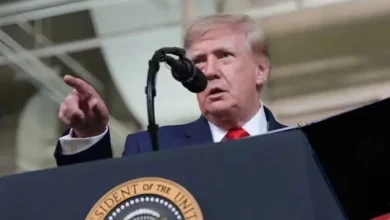
The decision follows pressure from US President Donald Trump, who said European countries had agreed to release a large amount of diesel from their emergency stockpiles.
French President Emmanuel Macron confirmed the G7 decision following a video conference of G7 leaders on October 2. The release will be coordinated through the International Energy Agency (IEA), with a substantial amount of diesel expected to enter the market within the first 20 days. elysee.fr+1
Trump Announces European Diesel Release
President Donald Trump said European countries had agreed to release a “massive amount” of diesel from their stockpiles.
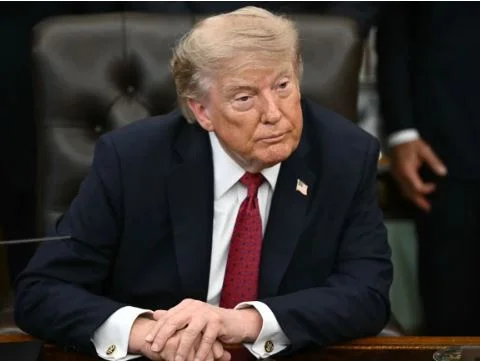
Trump had previously pressured European countries to release emergency diesel reserves as fuel prices continued to rise. His administration had also considered restricting US diesel exports if European countries did not take action.
Following the G7 agreement, Trump said the United States would not impose a diesel export ban. Sharjah 24+1
G7 Agrees on 100 Million Barrels
The G7 agreement calls for the coordinated release of up to 100 million barrels of crude oil and refined petroleum products over four months.
The plan includes a significant diesel release during the first 20 days, with further releases possible if necessary.
The International Energy Agency will coordinate the release, while G7 members have also agreed to avoid imposing energy export restrictions on one another. elysee.fr+1
The G7 also agreed to coordinate refinery maintenance schedules and increase refinery utilization where possible in an effort to support fuel supplies.
Pressure on Global Energy Markets
The decision comes as global energy markets face significant supply uncertainty.
The conflict involving Iran has disrupted energy flows and contributed to higher oil and diesel prices. The situation has increased concerns about fuel availability in Europe and other major energy-consuming markets.
The G7 says the coordinated release is intended to increase market supply and ease pressure on fuel prices. elysee.fr+1
US Pressure on Europe
The Trump administration had been urging European countries to use their emergency diesel reserves.
Trump had warned that the United States could consider restricting diesel exports if European countries failed to contribute to efforts to stabilize fuel markets.
The G7 agreement has now removed the immediate prospect of a US diesel export ban, with Trump saying Washington would continue supplying the market instead. Reuters+1
Energy Security Measures
The G7 has also called for greater coordination to strengthen energy security.
According to the French presidency, the group agreed to continue efforts to restore freedom of navigation through key energy routes, optimize energy production and operate refineries at maximum feasible capacity.
The coordinated reserve release is intended to provide additional supplies while governments work to address broader disruptions in global energy markets. elysee.fr
Diesel Prices Under Pressure
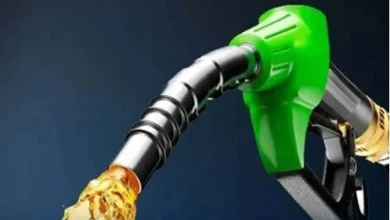
Diesel prices have reached unusually high levels in several markets.
In the United Kingdom, the average diesel price reached £2 per litre for the first time, increasing pressure on motorists, transport companies and businesses. Global News
Higher diesel prices can also affect the wider economy because diesel is heavily used in freight transportation, agriculture, construction and other industries.
Impact of the Iran Conflict
The conflict involving Iran has become a major factor behind the current pressure on global energy markets.
Disruptions to oil and refined-product supplies have raised concerns about shortages and increased prices.
The G7 reserve release is therefore being viewed as an emergency measure intended to provide additional supplies while efforts continue to stabilize international energy markets.
What Happens Next?
The coordinated release will begin immediately and continue over four months.
A substantial amount of diesel is expected to be released during the first 20 days, while the G7 and IEA will monitor market conditions and consider additional action if necessary. EFE Noticias+1
The key question for global markets will be how quickly the emergency supplies reach consumers and whether the additional availability is enough to ease pressure on diesel and other fuel prices.