Author: Muhammad Amanullah
Date: August 21, 2026
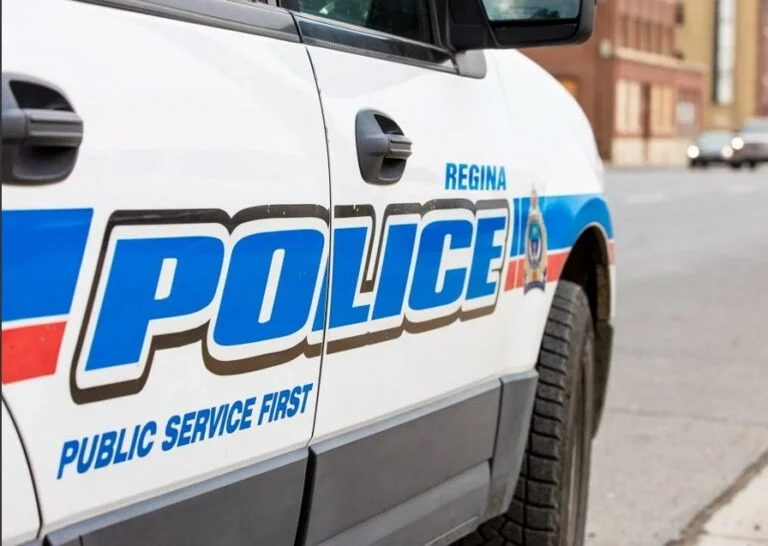
The True Post (Web News) — Regina police have confirmed that human remains discovered in the backyard of a home on the 1300 block of Rutland Street in June have been identified as those of Van Joseph Braid.
The identification, made with the assistance of the Royal Canadian Mounted Police (RCMP) National DNA Data Bank, has answered one major question for investigators. However, several important questions about Braid’s death and how his remains ended up at the residential property remain unanswered.
Identifying human remains is often a complex part of an investigation. Once a person’s identity is established, investigators can begin examining their background, last known movements and circumstances surrounding their death. Regina police are now focusing on that next stage of the investigation.
A Name That Brings New Questions
According to police, Van Joseph Braid would have been 34 years old if he were alive today. His family has been notified of his identification.
While the identification may bring an end to a period of uncertainty for his family, it also begins a new phase of the investigation.
The key questions now are when Braid died, how he died and how his remains came to be located in the backyard of a residential property.
Police have not yet provided answers to those questions. At this stage, investigators have not announced a definitive cause or circumstances of death, making it important to avoid speculation.
DNA Identification Changes the Investigation
A major development in the case was the use of the RCMP National DNA Data Bank to identify the remains.
DNA has become an important investigative tool in cases involving unidentified human remains because it can establish a scientific connection between physical evidence and an individual’s identity.
In cases where traditional identification methods may not be possible, DNA evidence can provide investigators with a crucial lead.
In this case, police said Braid was not listed in a missing persons database, which could have made the identification process more difficult. The national DNA records ultimately helped connect the unidentified remains to a specific individual.
Braid Was Not Listed in a Missing Persons Database
The fact that Braid was not listed in a missing persons database is another significant aspect of the investigation.
Police will likely need to examine his personal history and determine his last known activities and contacts. Questions about whether he had remained in contact with family members or others close to him could also become relevant as investigators reconstruct the circumstances surrounding his death.
At this point, however, there is no information confirming why Braid was not listed as missing, and no conclusions should be drawn from that fact alone.
Backyard Becomes a Key Focus of Investigation
The discovery of human remains in the backyard of a residential property raises another important question: How and when did the remains get there?
Investigators may need to determine whether Braid had any connection to the property or surrounding area, whether the remains were moved there from another location, or whether there was another explanation for their presence.
Those questions cannot be answered through speculation. Investigators may rely on forensic evidence, examination of the property, witness information and analysis of Braid’s last known movements.
Police have not publicly provided detailed information about this aspect of the investigation.
Cause of Death Remains a Major Question
One of the most important elements of any death investigation is determining the cause and manner of death.
Regina police have not released a final determination regarding the cause of Braid’s death.
This information could be significant in determining what direction the investigation takes next. If forensic evidence indicates suspicious circumstances, investigators could pursue additional lines of inquiry.
Based on the information currently available, it is not possible to say whether Braid’s death was natural, accidental or the result of another incident.
Police have also not announced a suspect or publicly identified the case as a homicide.
Identification Brings Answers for the Family
The case also has an important human dimension.
For a family, living for an extended period without knowing what happened to a loved one can be extremely difficult. The identification at least provides the family with confirmation of who the remains belong to.
However, not knowing how or why the person died can create another difficult period of uncertainty.
The ongoing investigation is therefore important not only from a legal perspective but also for the family seeking answers about what happened to Braid.
What Investigators May Look Into Next
Investigators now face several key questions:
- When was Braid last seen?
- Who were his last known contacts?
- What was he doing in the period before his death?
- When did he die?
- What caused his death?
- Why were his remains found at the Regina residence?
- Did he have any connection to the property?
Police may examine forensic evidence, witness accounts, available records and Braid’s last known activities to build a clearer picture of what happened.
The identification could also encourage people who knew Braid or had information about his whereabouts to contact investigators.
Identity Confirmed, But the Story Is Not Over
The Regina case demonstrates that identifying human remains is often not the end of an investigation but the beginning of a new phase.
DNA evidence has allowed police to identify the remains as those of Van Joseph Braid, and his family has been notified. Investigators must now determine the circumstances surrounding his death.
The discovery of the remains in a residential backyard, the fact that Braid was not listed in a missing persons database and the unanswered questions surrounding his final days all remain important aspects of the case.
For now, police have confirmed the identity, but the cause and circumstances of Braid’s death remain under investigation. Further forensic findings and investigative information may eventually provide answers about the final chapter of his life.