Muhammad Amanullah
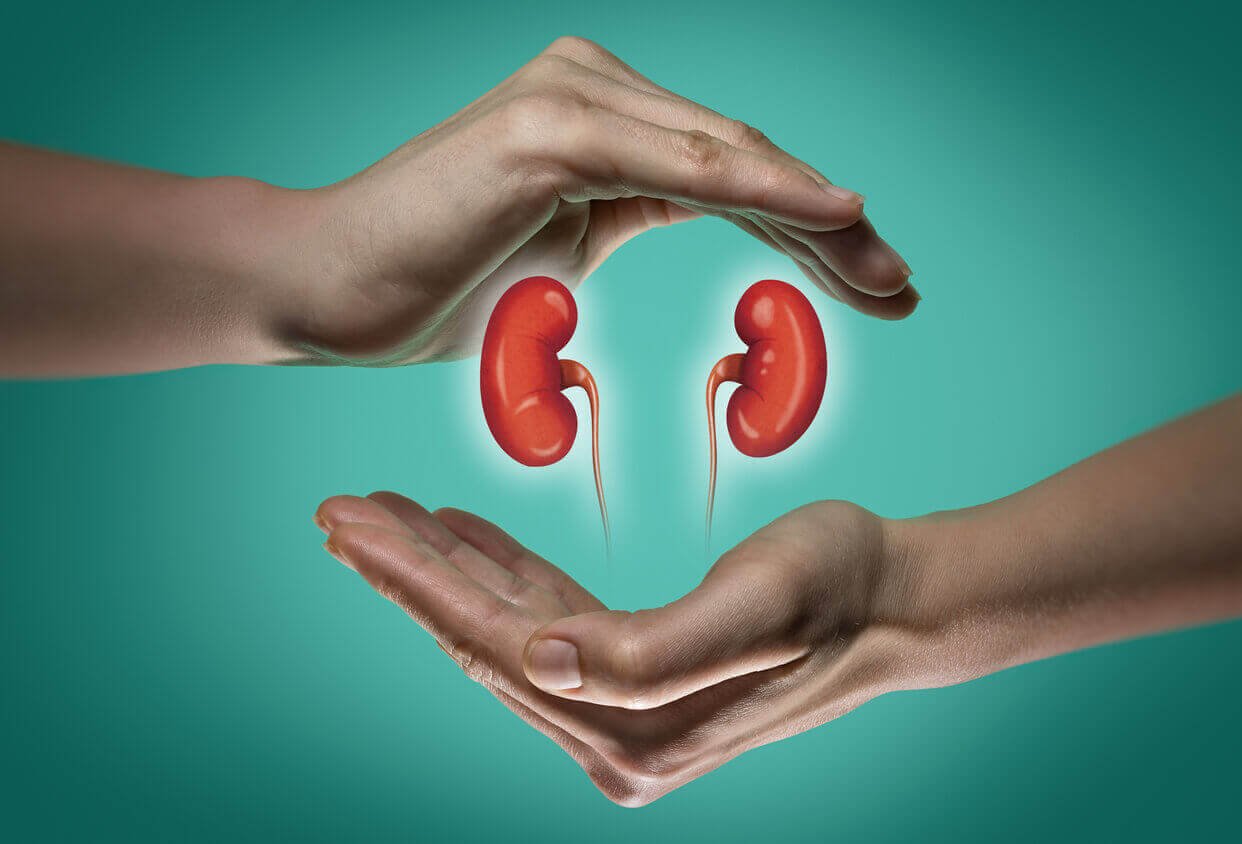
The True Post (Web News) — The kidneys are among the most important organs in the human body. They filter the blood, remove waste products and excess fluid, maintain the body’s balance of salts and minerals, and perform several other essential functions.
The problem is that chronic kidney disease often causes few or no obvious symptoms during its early stages. Many people do not realize they have a kidney problem until kidney function has already been significantly affected.
That is why persistent or unusual changes in the body should not simply be ignored. While any single symptom does not necessarily mean that someone has kidney disease, persistent symptoms or several symptoms occurring together should be evaluated by a healthcare professional.
Why Are the Kidneys So Important?
Healthy kidneys remove waste products and excess water from the blood to produce urine. They also help regulate levels of sodium, potassium, calcium and other minerals in the body.
The kidneys also play an important role in regulating blood pressure and producing hormones involved in the formation of red blood cells.
When kidney function gradually declines, waste products and excess fluid can accumulate in the body, potentially causing a range of symptoms.
1. Significant Changes in Urination
Changes in normal urination patterns can be an important warning sign of kidney problems.
Some people may need to urinate more frequently than usual, particularly at night. In more serious cases, urine output may decrease.
Foamy or bubbly urine can also be worth discussing with a doctor because, in some cases, it may indicate protein in the urine. Blood in the urine should also not be ignored.
However, changes in urination are not always caused by kidney disease. Diabetes, urinary tract infections and other medical conditions can also cause similar symptoms.
For more information about kidney-related health issues, you can also read this report about a young Lethbridge resident receiving a kidney donation from an anonymous donor.
2. Swelling in the Legs, Feet or Face
When the kidneys cannot properly remove excess water and sodium, fluid can accumulate in the body. This can lead to swelling, medically known as edema.
Swelling is often noticeable around the ankles, feet and legs. Some people may also experience swelling in their hands or face.
Puffiness around the eyes, particularly in the morning, can also occur with certain kidney conditions.
However, swelling is not exclusively associated with kidney disease. Heart, liver and other health conditions can also cause fluid retention. Persistent or worsening swelling therefore requires proper medical evaluation.
3. Persistent Tiredness and Weakness
Constant fatigue, low energy during routine activities or weakness despite getting enough sleep can sometimes be associated with kidney disease.
People with chronic kidney disease may develop anemia. The kidneys play a role in producing a hormone that signals the body to make red blood cells. When kidney function declines, this process can be disrupted.
As a result, some people may experience weakness, fatigue, difficulty concentrating or shortness of breath.
4. Dry Skin and Persistent Itching
Persistent itching or unusually dry skin without an obvious explanation can also occur in people with reduced kidney function.
When the kidneys cannot adequately remove certain waste products and regulate minerals, changes in the body’s internal balance can occur. In some people, this may contribute to dry and itchy skin.
However, not every case of itching is related to kidney disease. Allergies, dry skin and many other conditions can produce similar symptoms.
5. Loss of Appetite, Nausea and Unexplained Weight Loss
As kidney disease progresses, waste products can build up in the body. This may cause nausea, vomiting, loss of appetite or a reduced desire to eat.
If appetite remains poor and a person begins losing weight without an obvious reason, the change should be taken seriously.
Kidney disease is not the only possible explanation for these symptoms. Many other medical conditions can cause nausea, appetite loss and weight changes, so self-diagnosis based solely on symptoms is not recommended.
You can also read this related report about the growing demand for kidney transplants.
6. Difficulty Concentrating and Sleep Problems
When kidney function becomes significantly impaired, some people may experience difficulty concentrating, mental fog, sleep problems or unusual daytime drowsiness.
The buildup of waste products and other changes in the body’s balance may contribute to these symptoms.
However, sleep deprivation, stress, anemia and many other factors can also cause concentration and sleep problems. Persistent symptoms should therefore be medically evaluated.
7. Shortness of Breath or Worsening Physical Condition
In severe kidney failure, the body may be unable to remove enough excess fluid. Fluid buildup can sometimes contribute to breathing difficulties or shortness of breath.
Severe weakness, muscle cramps, chest discomfort, confusion or unusual numbness can also occur in serious kidney disease.
Some of these symptoms can indicate a medical emergency and require prompt medical attention.
Is Back or Side Pain Also a Sign of Kidney Disease?
Back or side pain is often associated with the kidneys, but not every case of back pain is caused by a kidney problem.
Kidney stones and certain infections can cause pain in the side or back. However, chronic kidney disease generally does not cause pain as one of its earliest prominent symptoms.
If persistent or severe pain occurs together with fever, blood in the urine, painful urination or other symptoms, medical evaluation becomes particularly important.
The Most Important Point: Don’t Wait for Symptoms
One of the biggest challenges with kidney disease is that there may be few or no symptoms during the early stages.
Many people discover they have kidney disease through blood and urine tests rather than because of obvious symptoms.
People with diabetes, high blood pressure, heart disease or a family history of kidney disease may have a higher risk of developing chronic kidney disease and should pay particular attention to kidney health.
How Is Kidney Disease Diagnosed?
Symptoms alone cannot determine how well the kidneys are functioning.
Doctors commonly use blood and urine tests to assess kidney health. Blood tests can help estimate how effectively the kidneys are filtering waste, while urine tests can detect albumin or protein.
Depending on the circumstances, doctors may also recommend additional tests or imaging studies.
How Can You Protect Your Kidneys?
Maintaining healthy blood pressure, managing blood sugar if you have diabetes, eating a balanced diet, staying physically active and avoiding smoking are important steps for protecting kidney health.
It is also important to avoid regularly taking painkillers or other medications without appropriate medical advice, particularly for people who already have kidney problems.
When Should You Seek Immediate Medical Attention?
Immediate medical attention may be necessary if urine output becomes extremely low or stops, severe difficulty breathing develops, persistent chest pain occurs, severe confusion appears or swelling rapidly worsens.
Severe kidney failure can affect other important systems in the body, which is why serious or rapidly worsening symptoms should not be ignored.