Muhammad Amanullah | August 24, 2026
The True Post (Web News) — Tensions between Iran and the United States have intensified once again, with economic pressure and sanctions emerging as a major new front in the confrontation between the two countries.
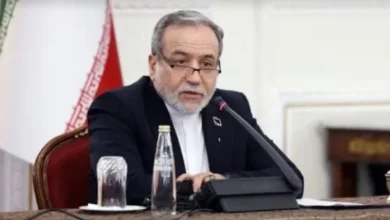
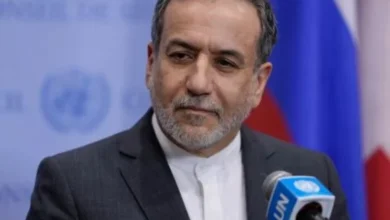
Iranian Deputy Foreign Minister Kazem Gharibabadi has strongly criticized Washington following the US announcement of a major economic campaign against Tehran, questioning the logic behind the move and challenging American claims about the damage inflicted on Iran’s military and nuclear capabilities.
In a statement posted on social media platform X, Gharibabadi questioned why Washington would need to launch what he described as a massive financial campaign against Iran if, as the United States claims, Iran’s military capabilities, defence production and nuclear programme have already been completely dismantled.
His comments came as the United States moved to increase financial and economic pressure on Tehran, adding another layer to an already tense relationship between the two countries.
Iranian Deputy Foreign Minister Questions US Claims
Gharibabadi used a pointed and critical tone in challenging the American narrative.
He questioned why Washington would need to mobilize its financial institutions and launch a major economic campaign if the United States had already achieved its stated military objectives against Iran.
The Iranian official also raised a broader question about whether the latest American measures should be viewed as evidence of a US victory or, instead, as an indication that Washington’s previous claims about Iran’s capabilities may not tell the full story.
The comments underline Tehran’s refusal to accept American claims that Iran’s military and nuclear capabilities have been completely neutralized.
Iranian officials have repeatedly maintained that the country’s defensive capabilities remain intact and that Tehran will continue to protect what it considers its national interests.
US Announces New Economic Pressure Campaign
The Iranian response followed the announcement of a major economic campaign against Iran by US Treasury Secretary Scott Bessent.
Economic sanctions have long been one of Washington’s principal tools for putting pressure on Tehran. US measures have targeted Iran’s financial system, oil revenues and other major sectors of the economy.
The stated objective of such policies is to increase economic pressure on Tehran and influence its decisions on issues involving security, defence, nuclear activities and regional policy.
Iran, however, has consistently rejected the use of sanctions as a means of forcing it to change its policies.
Tehran has described American sanctions as a form of economic warfare and has sought to reduce their impact through alternative trading relationships and financial arrangements.
Dispute Over Iran’s Military Capabilities
One of the central issues in the latest escalation is the disagreement over the extent of the damage caused to Iran’s military capabilities.
In his statement, Gharibabadi referred to American claims that Iran’s military strength had been seriously weakened and that key defence and military facilities had been destroyed.
Iran’s argument is that if those American claims are accurate, there would be less justification for Washington to launch an even larger economic campaign against Tehran.
This apparent contradiction was at the heart of Gharibabadi’s criticism.
By placing the American claims of military success alongside the new economic measures, the Iranian official questioned why Washington would continue escalating pressure if its stated military objectives had already been achieved.
Sanctions Remain a Major Source of Tension
Economic sanctions have been a central component of the dispute between Iran and the United States for decades.
Washington has imposed restrictions on Iran at different times, affecting areas including oil exports, international financial transactions and trade.
Iran has repeatedly criticized these measures and argued that they are intended to weaken the country’s economy and limit its ability to conduct international business.
The latest discussion about expanding economic pressure has therefore revived one of the longest-running areas of confrontation between Tehran and Washington.
The combination of harsh statements from Iranian officials and new US economic measures suggests that tensions between the two countries are not currently moving toward a significant reduction.
Oil and Financial System Under Pressure
Iran’s oil industry remains critically important to its economy, making Iranian petroleum exports a major target of US sanctions.
Washington has sought to restrict Iran’s oil revenues in an effort to reduce the financial resources available to the Iranian government.
Iran’s financial institutions and international banking transactions have also faced extensive restrictions over the years.
Economic analysts say such measures can affect a country’s ability to import and export goods, access international financial services and conduct transactions with foreign partners.
Tehran has responded by attempting to strengthen commercial relations with countries willing to maintain trade with Iran and by developing alternative mechanisms for international payments.
Tehran Signals Continued Resistance
Gharibabadi’s latest comments indicate that Iran is not prepared to give the impression that it will surrender to increased American economic pressure.
Tehran has consistently argued that external sanctions and financial restrictions will not force the country to abandon its national interests or alter its fundamental policies.
The latest statement follows the same approach, portraying the American economic campaign as part of a broader confrontation rather than an isolated financial policy.
Iranian officials are expected to continue emphasizing resistance to sanctions while seeking ways to maintain trade and economic activity with international partners.
Regional and Global Economic Risks
The consequences of escalating tensions between Iran and the United States could extend well beyond the two countries.
The wider Middle East remains closely connected to global energy markets, while developments involving Iran can influence oil prices, shipping routes, regional security and international investor confidence.
If economic pressure is accompanied by renewed military confrontation, uncertainty in global markets could increase significantly.
Any disruption involving Iran’s energy exports or major regional trade routes could also create additional pressure on oil supplies and prices.
For countries that depend heavily on energy imports, prolonged instability in the region could translate into higher transportation and production costs.
Economic Confrontation Could Deepen
The latest developments show that the confrontation between Iran and the United States is no longer limited to military threats and diplomatic disputes.
Economic sanctions, financial restrictions and pressure on Iran’s oil revenues have become central elements of the broader conflict.
Washington appears determined to maintain economic pressure on Tehran, while Iranian officials continue to challenge American claims and signal that Iran will resist efforts to force changes in its policies.
The question raised by Gharibabadi — why Washington would need an unprecedented economic campaign if Iran’s military and nuclear capabilities have already been eliminated — is likely to remain part of Tehran’s political response to the latest US measures.
For now, both sides appear to be maintaining their positions, leaving the possibility of further escalation open.
As the economic confrontation develops, its consequences could be felt not only in Iran and the United States but also across the Middle East and global energy markets.
The coming weeks will therefore be closely watched for signs of additional sanctions, changes in Iran’s oil exports, diplomatic initiatives or a renewed escalation between the two countries.