The True Post | By Muhammad Amanullah
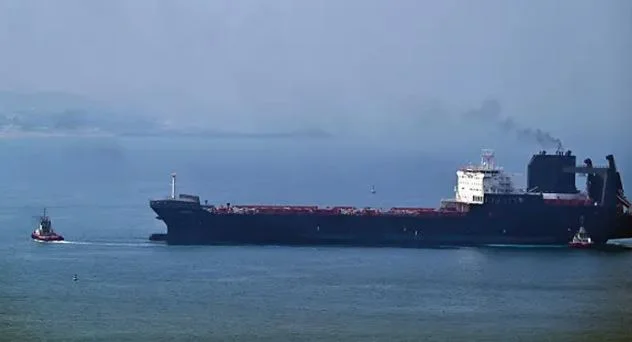
Efforts are intensifying internationally to ensure the safe and unrestricted movement of commercial and energy-related vessels through the Strait of Hormuz. According to a statement issued by NATO, the alliance’s senior commander held an important meeting with representatives from several member states to discuss possible cooperation to protect shipping in the Strait of Hormuz and the potential use of different countries’ military capabilities.
Although the meeting was held through a NATO platform, officials have made it clear that any potential operation in the Strait of Hormuz would not be a direct NATO mission. This distinction is particularly significant because NATO member states have so far avoided becoming directly involved as an alliance in the ongoing conflict with Iran.
NATO’s Limited but Important Role
According to a spokesperson for NATO Supreme Allied Commander General Alexis Grinkovitch, the meeting was attended by defense chiefs or senior military representatives from countries interested in potentially contributing to the protection of freedom of navigation in the Strait of Hormuz.
NATO’s primary role appears to be bringing different countries together and assessing their capabilities rather than launching a joint military operation.
This approach reflects the view among Western countries that the situation in the Strait of Hormuz is not merely a regional issue but a major potential threat to global energy supplies and international trade.
France and Britain Take the Lead
France and Britain are playing prominent roles in possible international arrangements to secure the Strait of Hormuz. The two countries are leading efforts to establish a coalition of around 12 nations.
The proposed coalition would primarily aim to restore the safe and unrestricted movement of commercial vessels through the Strait of Hormuz once the current tensions ease or the conflict comes to an end.
An important aspect of the proposal is that the coalition would remain separate from a formal NATO mission. This could allow participating countries to focus on maritime security while avoiding direct military confrontation with Iran.
A Vital Route for Global Energy
The Strait of Hormuz is one of the world’s most important maritime trade routes. Before fighting began in February, approximately one-fifth of the world’s traded oil passed through the waterway.
Any closure of the Strait of Hormuz or major disruption to vessel traffic could therefore have a direct impact on global oil prices, shipping costs and energy supplies.
The route is particularly important for Asian countries because a significant portion of energy supplies originating in the Gulf region reaches global markets through the Strait of Hormuz.
More Than Just a Military Issue
The current situation shows that the Strait of Hormuz is no longer simply a maritime security issue. It is directly connected to the global economy, energy prices, insurance costs, shipping and supply chains.
If risks to commercial shipping continue, companies may need additional security measures, more expensive insurance and alternative routes. This could increase transportation costs and place additional pressure on global inflation.
For Western countries, reopening the Strait is therefore not only a matter of military security but also an issue of economic stability.
A Sensitive Issue for Iran
The presence of foreign naval forces or a multinational coalition in the Strait of Hormuz could be highly sensitive for Iran. Tehran could view such arrangements as a challenge to its maritime security or regional interests.
This is one reason why France, Britain and other countries appear keen to keep any potential mission separate from a formal NATO operation. Such an approach could allow efforts to protect commercial vessels while leaving room to prevent the conflict from expanding further.
Efforts to Reduce Tensions
The overall situation suggests that Western countries are seeking to establish a system that could quickly restore commercial activity in the Strait of Hormuz once the conflict or current tensions subside.
However, the success of such an arrangement would depend not only on naval capabilities but also on Iran’s response, the wider regional security situation and progress toward a ceasefire or political negotiations.
NATO’s current role is therefore cautious. The alliance is using its platform to bring countries together while maintaining distance from a direct military mission.
Impact on the Global Economy
If unrestricted navigation through the Strait of Hormuz is restored, global energy markets could stabilize, disruptions to oil shipments could decline and concerns among shipping companies could ease.
On the other hand, if tensions continue for an extended period or the Strait remains a dangerous maritime route, pressure on global oil prices, maritime trade and supply chains could increase further.
The latest developments should therefore not be viewed simply as a NATO military meeting. They are part of a broader effort by global powers to secure one of the world’s most important energy routes while also attempting to prevent the conflict with Iran from developing into a wider war.