Muhammad Aman Ullah | August 29, 2026
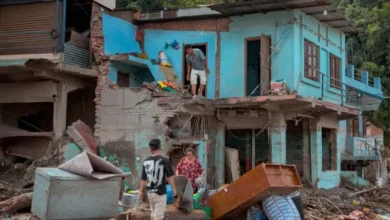
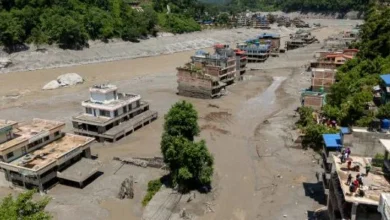
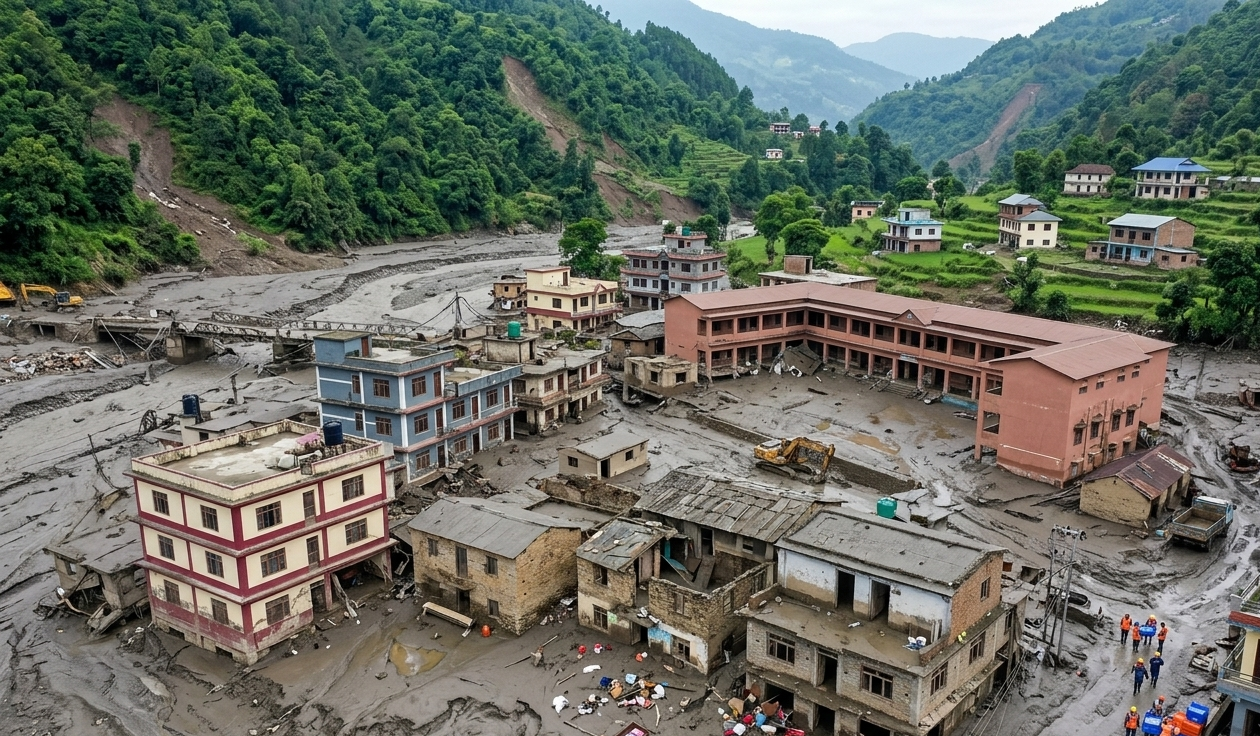
The True Post (Web News) — Kathmandu: Nepal’s devastating floods have once again drawn global attention to the growing risk of natural disasters in the Himalayan region. Heavy monsoon rainfall caused rivers and streams to rise rapidly, while landslides, mudslides and other natural factors in mountainous areas made the situation even more dangerous.
In a mountainous country such as Nepal, unusually heavy rainfall occurring within only a few hours can cause widespread destruction. Water from the mountains can move rapidly toward lower-lying areas, leaving residents with very little time to reach safety even when warnings are issued.
The recent flooding has also raised important questions about why Nepal continues to experience severe floods and whether the risk of similar disasters could increase in the future.
Heavy Monsoon Rainfall Was a Major Immediate Cause
One of the most important immediate causes of flooding in Nepal is intense monsoon rainfall. When unusually large amounts of rain fall within a short period, the flow of water in mountain rivers, streams and seasonal channels can increase dramatically.
The situation becomes even more dangerous when prolonged rainfall saturates the soil. As the ground becomes unstable, rocks and soil can slide down steep mountain slopes, damaging roads, bridges and access routes to communities.
In some areas, landslides can also block rivers. If water continues accumulating behind a natural or temporary blockage and the barrier suddenly collapses, a powerful flash flood can occur within minutes.
These sudden floods are particularly dangerous because they can move extremely quickly and carry large amounts of mud, rocks, trees and other debris.
How Climate Change Is Increasing the Risk
Experts say climate change is making the risks associated with rainfall, melting ice and unstable mountain environments in the Himalayan region increasingly complex.
As global temperatures rise, the atmosphere can hold more moisture. Under certain conditions, this can contribute to more intense rainfall events.
However, scientists caution that it would not be accurate to attribute any individual flood entirely to climate change. Every major flood is influenced by a combination of factors, including rainfall intensity, local geography, river conditions, soil moisture and land-use patterns.
Climate change is therefore better understood as a factor that can alter the background risk and potentially make some extreme weather events more likely or more severe.
Glacier Melting Is Another Major Concern
Glaciers across the Himalayas are an important source of water for rivers throughout the region. Changes in glaciers caused by rising temperatures are therefore a growing concern.
Glacier melt can increase water availability in some areas, while lakes that form near glaciers can also create serious hazards.
If the natural barrier holding a glacial lake fails, a large volume of water can suddenly rush downstream. This phenomenon is known as a Glacial Lake Outburst Flood, or GLOF.
A GLOF can send a powerful surge of water, ice, rocks and sediment downstream, potentially destroying bridges, roads, homes and other infrastructure.
Glacier-related hazards are not limited to lake outbursts. Sudden collapses involving ice, rocks and mountain debris can also temporarily block river channels. If the blockage later breaks apart, a large amount of water and debris can move downstream very rapidly.
Why Nepal’s Mountainous Geography Makes Flooding More Dangerous
Nepal’s geography is one of the reasons the country is particularly vulnerable to floods and landslides.
Much of the country consists of mountains and steep slopes. While these landscapes provide Nepal with its distinctive natural environment, they can also accelerate the movement of water during periods of extreme rainfall.
When heavy rain falls in mountainous areas, water can rapidly flow downhill instead of spreading across large flat areas.
The danger increases when rivers carry soil, rocks, trees and other material. The resulting flow can become a powerful debris flow, capable of damaging or destroying infrastructure in its path.
Mountain communities can therefore face a combination of hazards at the same time, including flash floods, landslides and debris flows.
Unplanned Construction Can Increase the Damage
Rapid population growth, road construction, hydropower development and construction close to rivers can also increase flood risks in some parts of Nepal.
When houses, roads or other structures restrict natural drainage channels, water may have fewer routes through which to escape during intense rainfall.
Similarly, poorly planned construction on steep mountain slopes can weaken the stability of the land and increase the possibility of landslides.
Road construction is particularly important in mountainous areas because cutting into slopes can change drainage patterns and weaken natural terrain if appropriate engineering and protective measures are not used.
Could Nepal Face More Severe Floods in the Future?
Experts warn that the Himalayan region will continue to face risks from extreme rainfall, landslides, glacier-related flooding and other natural hazards.
This does not mean that a flood of the same magnitude will occur every year. However, changing climatic conditions and rapid environmental changes in mountain regions make disaster preparedness increasingly important.
Communities located close to rivers, glaciers and glacial lakes are particularly vulnerable and require effective monitoring and emergency planning.
Early Warning Systems Can Save Lives
Experts say modern early warning systems are among the most important tools for reducing deaths and injuries caused by floods.
Monitoring rainfall, river levels, glacial lakes and mountain slopes can help authorities identify dangerous conditions before a disaster occurs.
If residents receive a reliable warning several minutes or hours before a major flood reaches their communities, they may have enough time to move to safer locations.
Even a short amount of additional preparation time can make a significant difference in reducing casualties.
Early warning systems should therefore be combined with evacuation plans, emergency shelters, public awareness campaigns and regular disaster-response training.
Protecting Rivers and Mountain Communities
Reducing future flood damage will require more than emergency rescue operations after a disaster has already occurred.
Authorities need to protect natural river channels, restrict construction in high-risk areas and improve the design and resilience of roads and bridges.
Hospitals, schools and other essential facilities located in vulnerable areas should also have emergency plans in place.
Local communities can play an important role as well. Residents who understand evacuation routes and know how to respond to emergency warnings are more likely to reach safety quickly during a sudden flood.
A Growing Warning for the Himalayan Region
Nepal’s recent disaster is not only a national concern. It is also an important warning for the wider Himalayan region.
Environmental changes in the Himalayas can affect river systems and communities in Nepal, India, Pakistan, Bhutan, China and other parts of the region.
For this reason, scientists and governments increasingly need cooperation in monitoring glaciers, glacial lakes, rainfall, river levels and mountain conditions.
Shared scientific data and cross-border early warning systems could help countries prepare for hazards that do not stop at national boundaries.
One Flood Can Have Many Causes
Nepal’s recent flooding demonstrates that major natural disasters are rarely caused by a single factor.
Extreme monsoon rainfall, mountainous terrain, landslides, glacier-related hazards, changes to natural waterways and poorly planned development can interact with one another and increase the overall severity of a disaster.
That is why experts emphasize that disaster management should not focus only on rescue and relief after flooding occurs.
Preparedness, scientific monitoring, early warnings, evacuation planning and stronger infrastructure are equally important.
Nepal Faces a Critical Need for Better Preparedness
The devastating floods in Nepal serve as both a painful reminder of the power of nature and a warning about the challenges facing Himalayan communities.
Natural disasters cannot be completely prevented, but their human and economic consequences can be significantly reduced through better planning and technology.
Improved early warning systems, glacier and river monitoring, safer infrastructure, responsible land-use planning and public awareness can all help protect vulnerable communities.
For Nepal and the wider Himalayan region, the message is increasingly clear: responding after a disaster is not enough. Governments and communities must identify risks in advance, prepare for emergencies and establish systems capable of warning people before dangerous floods and landslides strike.