Muhammad Amanullah — September 4, 2026
Canada will have to prepare for a future in which temperatures could be nearly 5°C higher than current conditions, according to a new scientific report on climate change.
The latest edition of Canada’s Changing Climate Report warns that unless greenhouse gas emissions are reduced effectively and urgently worldwide, Canada could face increasingly severe heat, longer wildfire seasons, rising sea levels, melting permafrost and growing pressure on water resources in the coming decades.
The report provides a detailed assessment of the effects of rising global temperatures on Canada and reinforces the scientific evidence linking climate change to human activity, particularly the continued use of fossil fuels.
Wildfire Season Could Become Longer
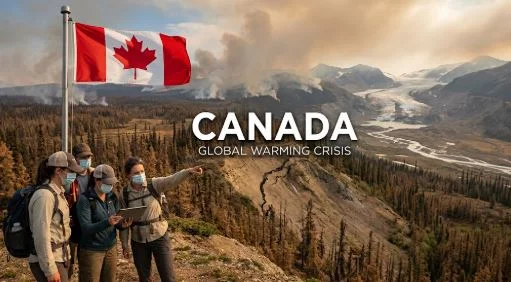
According to the report, Canada’s wildfire season could become longer and more intense as temperatures rise and dry conditions become more frequent.
Higher temperatures and prolonged periods of dryness can increase the likelihood of wildfires and allow fires to spread more rapidly across forested areas.
In recent years, large wildfires in different parts of Canada have had significant effects on communities, forests, air quality and the economy.
Smoke from major fires has travelled thousands of kilometres, exposing populations far from the fires themselves to dangerous levels of air pollution.
Rising Risk of Extreme Heat and Flooding
The report also warns that Canada could experience an increase in the number of days with extreme heat.
Experts say heatwaves in urban areas could pose a growing public-health challenge, particularly for older people, children and communities that are already more vulnerable to extreme weather.
At the same time, heavier rainfall and sudden flooding could put additional pressure on infrastructure.
Road networks, electricity systems, drainage infrastructure and urban planning will need to be adapted to changing weather conditions, the report suggests.
Northern Canada Faces Greater Impacts
The effects of climate change could be particularly severe in northern Canada.
Some northern regions are expected to experience substantial increases in winter temperatures, affecting snow cover, glaciers and permafrost.
The thawing of permafrost could threaten buildings, roads and other infrastructure as the ground becomes less stable.
Shrinking glaciers could also have long-term implications for water resources in some regions.
A 5°C Increase Is Not Inevitable
Despite the warning, scientists have made clear that a future nearly 5°C warmer is not inevitable.
Rapid reductions in greenhouse gas emissions by Canada and other countries could help prevent the most severe consequences of climate change.
Experts stress that every fraction of a degree of warming avoided can help reduce risks to human lives, homes, livelihoods and economies.
Urgent Action Needed
Following the release of the report, experts have urged governments to go beyond policies aimed solely at reducing carbon emissions and prepare infrastructure and urban systems for the climate risks that are already emerging and are expected to intensify.
The report’s central message is that Canada needs to act quickly to address climate change and strengthen its ability to adapt to its consequences.
With climate-related impacts expected to become increasingly visible over the coming decades, authorities will need to prepare communities, infrastructure and essential services for a changing climate while continuing efforts to reduce greenhouse gas emissions.