Muhammad Amanullah — September 4, 2026
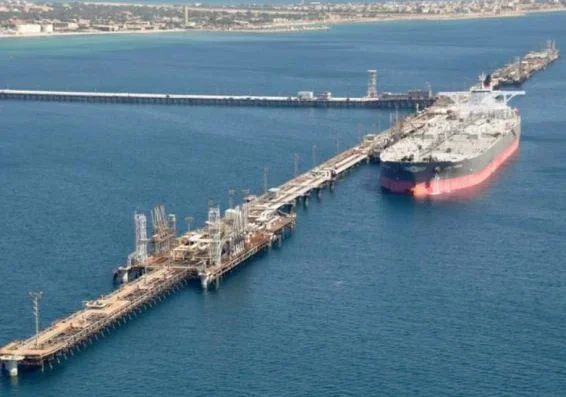
Iranian Petroleum Minister Mohsen Paknejad has claimed that the country’s crude oil exports were not suspended for even an hour during the 40-day war with the United States.
He said Iran continued shipping crude oil overseas despite wartime conditions, attacks on energy infrastructure and significant logistical difficulties affecting the energy sector.
According to state broadcaster Press TV, Paknejad said Iran faced severe challenges from February 28 until the temporary ceasefire, including attacks on oil and gas facilities and difficulties in transporting energy products.
Despite those conditions, he said, the country’s crude oil exports continued without a complete interruption.
Oil Exports Continued During the War
According to the Iranian petroleum minister, the country’s energy infrastructure came under attack during the conflict, while arrangements required for transporting oil also became increasingly difficult.
Despite the challenges, Iranian authorities continued efforts to maintain crude oil exports.
Paknejad stressed that during the 40-day period of the war, Iran’s oil exports did not stop for even one hour.
He said the country managed to prevent a complete disruption of crude oil exports despite the difficult circumstances.
Naval Blockade Complicated Oil Shipments
Paknejad said a naval blockade that emerged following US military operations made the transportation of oil even more difficult.
Restrictions and disruptions affecting maritime routes created additional logistical challenges for Iran, particularly in moving crude oil through sea routes.
However, according to the Iranian government’s account, these difficulties did not result in a complete halt to oil exports.
Iranian authorities said measures were taken to keep oil shipments and export operations running despite the wartime environment.
Energy Infrastructure Came Under Severe Pressure
The Iranian claims come amid reports of significant pressure on the country’s energy infrastructure and maritime transportation during the conflict.
According to Iranian officials, attacks on oil and gas facilities did not result in a complete shutdown of export activities.
The arrangements required for transporting crude oil also faced serious difficulties, but Iranian authorities maintained that exports continued throughout the period.
Iran Claims Continuity Throughout 40-Day Conflict
According to Paknejad, Iran maintained its crude oil exports throughout the period between February 28 and the temporary ceasefire.
He said that despite threats to energy infrastructure and difficulties affecting transportation and logistics, there was no complete interruption in crude oil exports, even for an hour.
The statement reflects Tehran’s position that Iran’s energy export system was not completely paralysed despite intense military pressure during the conflict.
Tehran Emphasises Maintaining Oil Exports
Iranian officials have repeatedly stressed the importance of keeping key economic activities functioning despite wartime conditions.
Paknejad’s latest remarks similarly focused on the continuity of oil exports as an important component of Iran’s economy.
He said that despite US military operations, the reported naval blockade, attacks on energy infrastructure and logistical difficulties, Iran continued exporting crude oil.
The petroleum minister reiterated that crude oil exports were never completely halted during the 40-day war.
According to the Iranian government, the energy sector faced severe pressure during the conflict, but authorities succeeded in maintaining the flow of crude oil exports despite the challenges.