Muhammad Amanullah
Date: September 18, 2026 The True Post (Web News) —Artificial sweeteners have become common in everyday foods and beverages. They are particularly popular among people trying to lose weight and those with diabetes who use them as alternatives to conventional sugar.
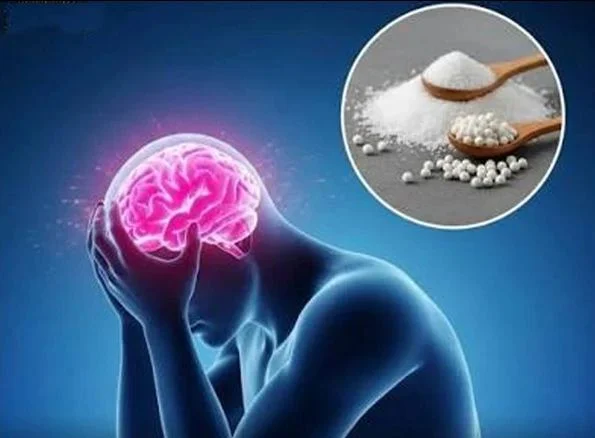
However, a new scientific study has raised fresh questions about the potential effects of artificial sweeteners. The research has highlighted a possible link between aspartame, a commonly used artificial sweetener, and increased damage to brain tissue during an ischemic stroke.
The findings are preliminary, and their direct relevance to humans has yet to be established. Researchers say further studies are needed before firm conclusions can be drawn.
What Is Aspartame and Where Is It Found?
Aspartame is a low-calorie artificial sweetener that is significantly sweeter than sugar. Because it provides very few calories, it is widely used in a range of diet and reduced-sugar products.
Diet and zero-sugar soft drinks: Many diet sodas and other low- or zero-sugar beverages contain aspartame.
Sugar-free products: It is also used in sugar-free chewing gum, low-calorie sweets and some pastries.
Other diet products: Aspartame can also be found in certain flavoured yogurts, protein shakes and some medicines, where it is used to improve taste.
Animal Study Produces Concerning Results
Researchers conducted experiments on mice to investigate how aspartame could affect the body and, particularly, the brain.
As part of the experiment, the mice were given water containing aspartame regularly for one week. They were then subjected to a condition designed to produce an ischemic stroke.
The researchers reported a significant difference in the amount of brain tissue affected by the stroke.
Among mice that had not received aspartame, the area of dead or damaged brain tissue was approximately 24.3 per cent.
By comparison, the figure rose to approximately 58.6 per cent among mice exposed to a higher amount of aspartame.
Damage to Important Areas of the Brain
The study also reported increased neuronal death among mice exposed to aspartame.
Two important areas of the brain — the cerebral cortex and hippocampus — were particularly affected.
These regions are involved in functions including thinking, learning, decision-making and memory.
The findings suggest that aspartame exposure may influence the extent of brain injury following an ischemic stroke in the experimental model.
Mitochondria and Oxidative Stress
Researchers also examined brain cells from animals and humans in laboratory settings to investigate the possible cellular mechanisms behind the findings.
The experiments indicated that exposure to aspartame could place stress on cells and affect their ability to produce energy.
Reduced Energy Production
The researchers reported that the energy-producing capacity of affected cells fell by approximately 25 per cent.
Damage to Mitochondria
The mitochondria, often described as the powerhouses of cells, appeared to come under significant stress.
Increased Oxidative Stress
The research also found an increase in reactive oxygen species (ROS) within mitochondria following aspartame exposure.
This was associated with increased oxidative stress, which can interfere with normal cellular functions.
Disruption of Cellular Protection
The study further suggested that aspartame affected a natural cellular protective pathway that normally helps cells respond to severe physical stress.
When researchers used specific chemical compounds in laboratory experiments to activate this protective pathway, some reduction in cell death and swelling was observed.
Other Artificial Sweeteners Compared
The researchers did not study aspartame alone. They also examined two other widely used artificial sweeteners: sucralose and acesulfame potassium.
Interestingly, the experiments did not show the same additional toxic effects or cell-damaging characteristics associated with aspartame.
This suggests that different artificial sweeteners may have different biological effects rather than producing identical responses in cells.
Researchers Urge Caution Over Interpretation
Despite the findings, researchers and medical experts have emphasized that the study should not be interpreted as conclusive evidence that normal consumption of aspartame damages the healthy human brain.
The central question examined by the research was more specific: if a person is already experiencing an ischemic stroke and the brain is suffering from severe oxygen deprivation, could exposure to aspartame during that period contribute to additional brain damage?
The experimental findings in mice and laboratory cells indicate a potential concern, but they do not establish that the same effect occurs in humans.
More Human Research Needed
The researchers stress that further and broader clinical research is required to determine whether the findings have direct implications for human health.
The current evidence comes primarily from animal experiments and laboratory-based cellular studies. Therefore, the results should not be treated as proof that ordinary consumption of aspartame causes strokes or brain damage in people.
For now, experts generally recommend maintaining a balanced diet and avoiding excessive consumption of highly processed foods and beverages.
The study nevertheless adds to the ongoing scientific discussion about artificial sweeteners and their possible effects on the body, particularly under conditions in which the brain is already experiencing severe stress from an ischemic stroke.