Date: November 5, 2026
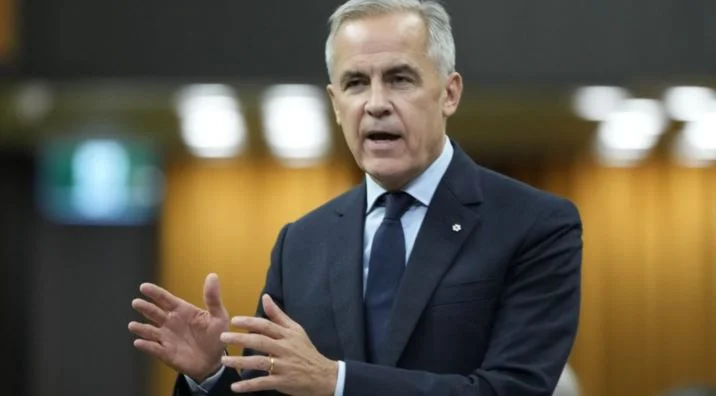
The True Post (Web News)Canada is maintaining its trade strategy despite the political changes following the 2026 US midterm elections, with Prime Minister Mark Carney’s government continuing negotiations with Washington while accelerating efforts to diversify the country’s international trade relationships.
The federal government’s immediate priorities include reducing trade tensions with the United States, protecting Canadian industries from American tariffs and strengthening the domestic economy to reduce its dependence on a single major export market.
Following the Democratic Party’s gains in the US midterm elections, questions have emerged in Canada about whether the change in congressional control could improve trade relations between the two neighbouring countries.
However, Canada’s Minister responsible for Canada-US Trade, Dominic LeBlanc, has indicated that the election results will not fundamentally change Ottawa’s approach.
The government’s priorities remain focused on strengthening the Canadian economy, advancing major development projects, addressing the rising cost of living and expanding trade relationships with international markets.
US Tariffs Continue to Challenge Canadian Industries
The trade dispute between Canada and the United States has created uncertainty for businesses on both sides of the border.
American tariffs have placed pressure on several Canadian industries, particularly the automotive, steel and manufacturing sectors. Canada has also introduced retaliatory measures targeting various categories of American imports.
The situation has reinforced concerns within the federal government about Canada’s heavy reliance on the US market.
A substantial share of Canadian exports goes to the United States, making the country’s economy particularly vulnerable to changes in American trade policies.
Any significant adjustment to tariffs or import regulations in Washington can have consequences for Canadian manufacturing, employment, investment and economic growth.
Prime Minister Mark Carney has acknowledged that the nature of Canada’s economic relationship with the United States has changed. He has also cautioned that a return to the previous environment of largely tariff-free trade cannot be taken for granted.
Against this backdrop, Ottawa is placing greater emphasis on strengthening relationships with European and other international markets while encouraging investment and business activity within Canada.
Trade Negotiations With Washington Continue
Despite the tensions, Canada is continuing discussions with the United States in an effort to reach a mutually beneficial trade arrangement.
Carney has indicated that progress has been made in recent discussions and that both countries will continue working towards an agreement in the coming weeks.
However, progress in negotiations does not mean that a final trade agreement has been reached.
For Canada, a major challenge will be protecting important industries, including automotive manufacturing and steel, while preserving access to its largest export market.
The American administration, meanwhile, is also expected to prioritize the interests of US farmers, manufacturers and other domestic industries during negotiations.
The outcome will depend on whether both governments can find common ground on tariffs, industrial production and cross-border trade.
November 5 Federal Budget Focuses on Economic Independence
Carney’s government is presenting its second federal budget on November 5, 2026, with a major focus on strengthening Canada’s economic independence and creating new opportunities for domestic growth.
Finance Minister François-Philippe Champagne has described the government’s broader economic agenda as an effort to transform Canada’s growth model, encourage internal trade and diversify international commercial relationships.
Reducing dependence on the American market is expected to remain an important part of the government’s long-term economic strategy.
The budget is also expected to address major development priorities and the need to strengthen Canada’s ability to attract investment, expand production and compete internationally.
However, the success of these long-term plans will depend on whether the government can translate economic ambitions into tangible improvements in the daily lives of Canadians.
Cost of Living Remains a Major Concern for Canadians
Despite the government’s focus on economic diversification and long-term growth, affordability remains one of the most pressing issues for Canadian households.
Inflation, housing costs and rising prices for everyday necessities continue to affect families across the country.
A recent survey cited in the original report found that 63 per cent of Canadians considered inflation and rising living costs among the country’s most important concerns.
Only 10 per cent expected the new federal budget to improve their household financial situation.
The findings highlight the challenge facing Carney’s government: balancing major economic development plans with practical measures that provide immediate financial relief to ordinary Canadians.
For many households, the success of the federal budget will not simply be measured by investment announcements or economic growth targets, but by whether housing, groceries and other essential expenses become more affordable.
Canada’s Trade Strategy Faces a Critical Test
Canada’s current approach rests on two major objectives: maintaining negotiations with the United States while developing stronger commercial relationships with alternative international markets.
The government is seeking to protect existing trade opportunities without allowing the country’s economic future to remain overly dependent on decisions made in Washington.
The coming months will be important in determining whether Carney’s strategy can reduce the impact of American tariffs, attract new investment and create additional opportunities for Canadian businesses.
Ultimately, the government’s biggest challenge will be to strengthen Canada’s economic position internationally while ensuring that ordinary Canadians also benefit from the country’s long-term economic transformation.