Muhammad Amanullah
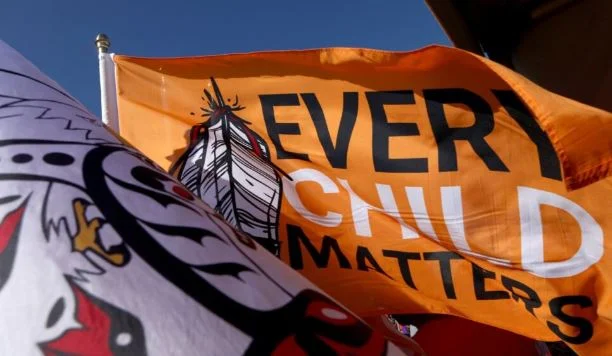
Date: October 1, 2026 The True Post (Web News) —Canadians across the country are marking the fifth annual National Day for Truth and Reconciliation on Wednesday, remembering the survivors of residential schools, their families and the children who never returned home.
Observed every year on September 30, the day is marked by commemorative events and activities across Canada to honour those affected by the residential school system.
Residential Schools
Beginning in the 19th century, Canada’s residential school system separated more than 150,000 Indigenous children from their families and communities and sent them to church-run residential schools.
These schools received government funding, while children were kept away from their families and communities. Historical records document various problems within the institutions, including abuse, malnutrition and inadequate healthcare.
The System Continued Until 1996
Between 1857 and 1996, more than 150,000 Indigenous children were forced to attend these schools. The residential school system continued for decades, and its effects are still felt in Indigenous communities today.
Cultural Genocide
In its landmark final report in 2015, Canada’s Truth and Reconciliation Commission described the residential school system as a central element of a policy of state-sponsored cultural genocide.
During its investigations, the commission documented at least 3,200 deaths of children at residential schools. However, researchers at the National Centre for Truth and Reconciliation are still examining millions of documents, and they believe the actual number could be considerably higher.
Establishment of the National Day
The Truth and Reconciliation Commission also recommended that September 30 be observed as the National Day for Truth and Reconciliation.
The purpose of the day is to remember the history of residential schools, honour those affected and learn from past events.
Ceremony on Parliament Hill
CBC, Radio-Canada, APTN and the National Centre for Truth and Reconciliation are organising the annual Remembering the Children ceremony on Parliament Hill.
The 90-minute event will feature speeches by residential school survivors, Elders and Indigenous leaders. Several artists will also perform, including Tia Wood, Soleil Launière, Silla and Adrian Sutherland.
Children’s Shoes
Guests and other participants have been asked to bring a pair of children’s shoes to the ceremony. The shoes will be placed in front of the stage to honour children who attended residential schools, particularly those who never made it back home.
The symbolic gesture is intended to keep their memories alive and acknowledge the loss experienced by Indigenous families and communities.
Events Across the Country
Separate events are also being held in cities and communities throughout Canada to mark the National Day for Truth and Reconciliation.
Local programmes have been organised in several places, including Toronto, Vancouver, Calgary and Iqaluit.
Carney’s Participation
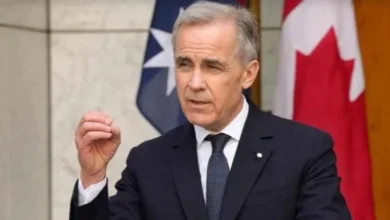
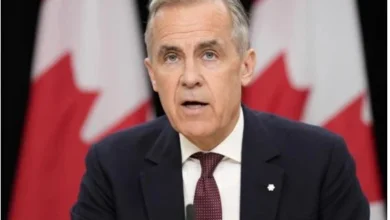
Prime Minister Mark Carney will also address a ceremony in Edmonton.
National commemorations are giving particular attention to the voices of residential school survivors and Indigenous leaders, recognising their experiences and perspectives.
Facing the Truth
Stephanie Scott, executive director of the National Centre for Truth and Reconciliation, said the purpose of the day was to honour every child affected by the residential school system and stand in solidarity with survivors.
She said maintaining the truth was a collective responsibility, particularly in the face of attempts to deny or distort the past.
According to Scott, honouring the children means confronting history honestly and ensuring that the words “Never Again” become a practical commitment rather than remaining merely a slogan.
A Shared Responsibility
Canadian Heritage Minister Marc Miller said the day provides an opportunity for Indigenous and non-Indigenous people to come together and reflect on the legacy of residential schools.
He said reconciliation was a responsibility shared by everyone in society. By connecting with one another and understanding their shared history, Canadians can work towards a future built on understanding, respect and hope.