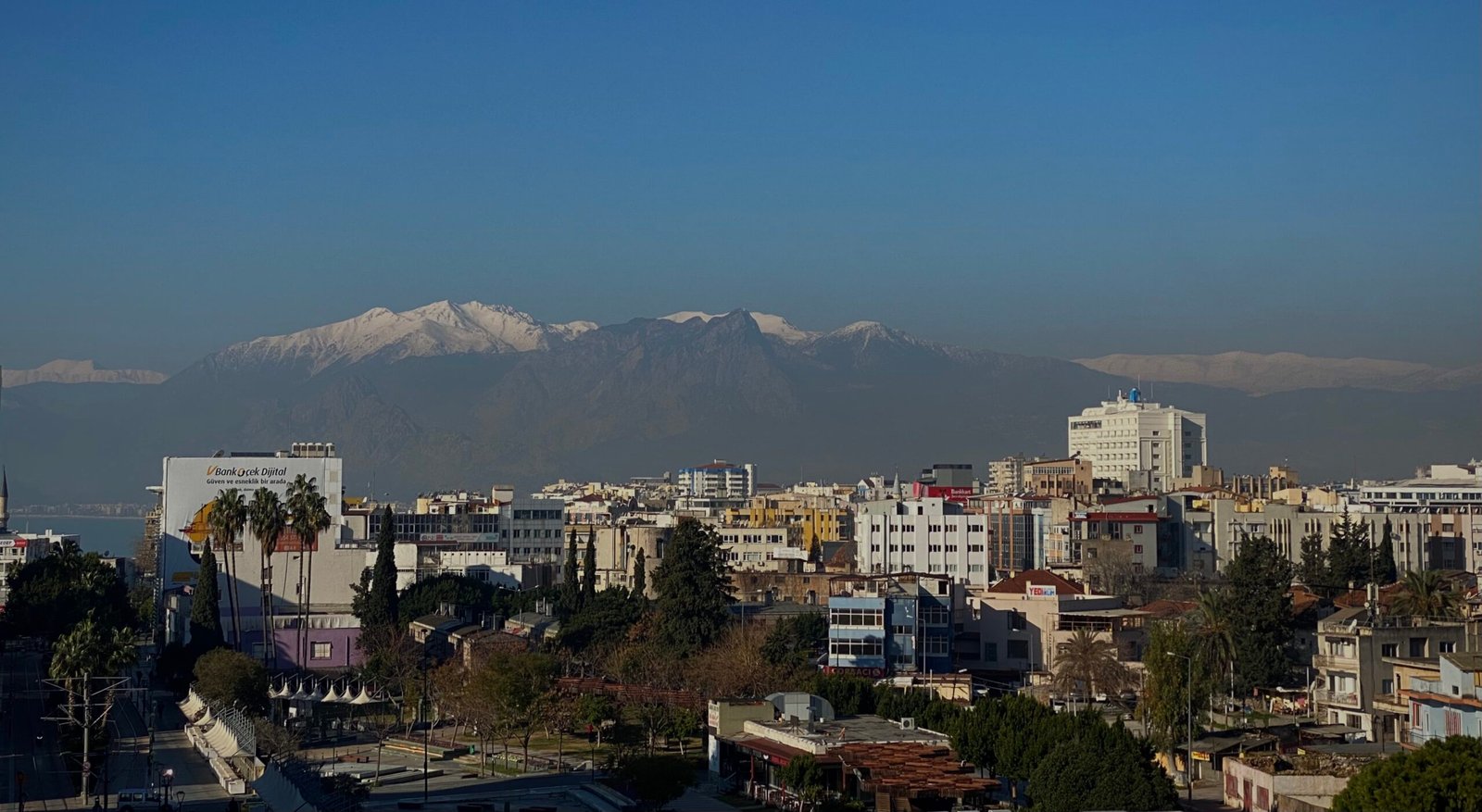
Climate talks in Antalya, Turkey, moved close to a final deal early on Sunday after running well past their Friday deadline, with summit leaders presenting a new package they hope nearly 200 countries can accept.
A new package after days of deadlock
Negotiators worked through Saturday and into the early hours of Sunday to bridge divisions over fossil fuels and climate finance, the two issues that had stalled the two week conference. COP31 President Murat Kurum told a late night plenary session that the new text could win consensus, and said the conference would reconvene on Sunday morning to approve the deal. Delegations were given until 0300 GMT to raise any objections, with an approval session scheduled for 0600 GMT. The package followed intensive consultations between Australia, which is leading the talks, Turkey, which is hosting the meeting, and delegations from many of the world’s richest, poorest, largest and smallest nations.
The fossil fuel dispute
The biggest sticking point was whether a final agreement should mention the fossil fuels driving global warming, and whether it should include support for poorer countries adapting to climate change. A draft published on Thursday removed earlier references to ending fossil fuel use, after objections from Saudi Arabia and other large oil and gas producers. The same revision dropped a proposed target of 120 billion dollars a year in adaptation finance for developing countries by 2035, replacing it with a call for further discussion about tripling adaptation finance. European Union Climate Commissioner Wopke Hoekstra said on Saturday that the summit would either produce a good deal or no deal at all. A group of countries led by France and Panama had pressed the presidency on Friday for a far stronger agreement, including an explicit shift away from fossil fuels, fairer climate finance and faster cuts in methane. The draft would be the first COP cover decision to acknowledge that warming is set to pass the Paris Agreement limit of 1.5 degrees Celsius, while calling for any overshoot to be kept as small and as short as possible.
Frustration on the summit floor
The added day of talks came as the summit drew strong criticism from activists and some countries for failing to mention fossil fuels in the draft final agreement. On Friday, a protester interrupted official proceedings, shouting that the draft killed the future of the Global South, while a banner reading failure was carried past delegates. Work crews were already boxing up the venue on Saturday morning, and hallways that had buzzed with participants stood largely empty. Next year’s climate summit is scheduled to take place in Ethiopia’s capital, Addis Ababa, in November 2027.