Muhammad Irfan Ullah
August 3, 2026
The Ture Post – Business News
Pakistan has received a significant boost to its economic outlook as S&P Global Ratings upgraded the country’s sovereign credit rating from B- to B while assigning a stable outlook, despite ongoing geopolitical uncertainty in the Middle East.
Economists say the upgrade reflects progress made under the International Monetary Fund (IMF) reform program, improved fiscal discipline, stronger external accounts, and rising foreign exchange reserves.
What the Credit Rating Upgrade Means
An improved sovereign credit rating is generally viewed as a sign of growing confidence among international investors.
Experts believe the higher rating could improve Pakistan’s access to global financial markets, reduce borrowing risks, and enhance prospects for foreign investment. However, they also stress that long-term structural reforms remain essential for sustained economic stability.
Government Approves Multi-Billion Export Incentives
The government has approved three major export incentive programs worth approximately Rs98 billion for fiscal year 2027.
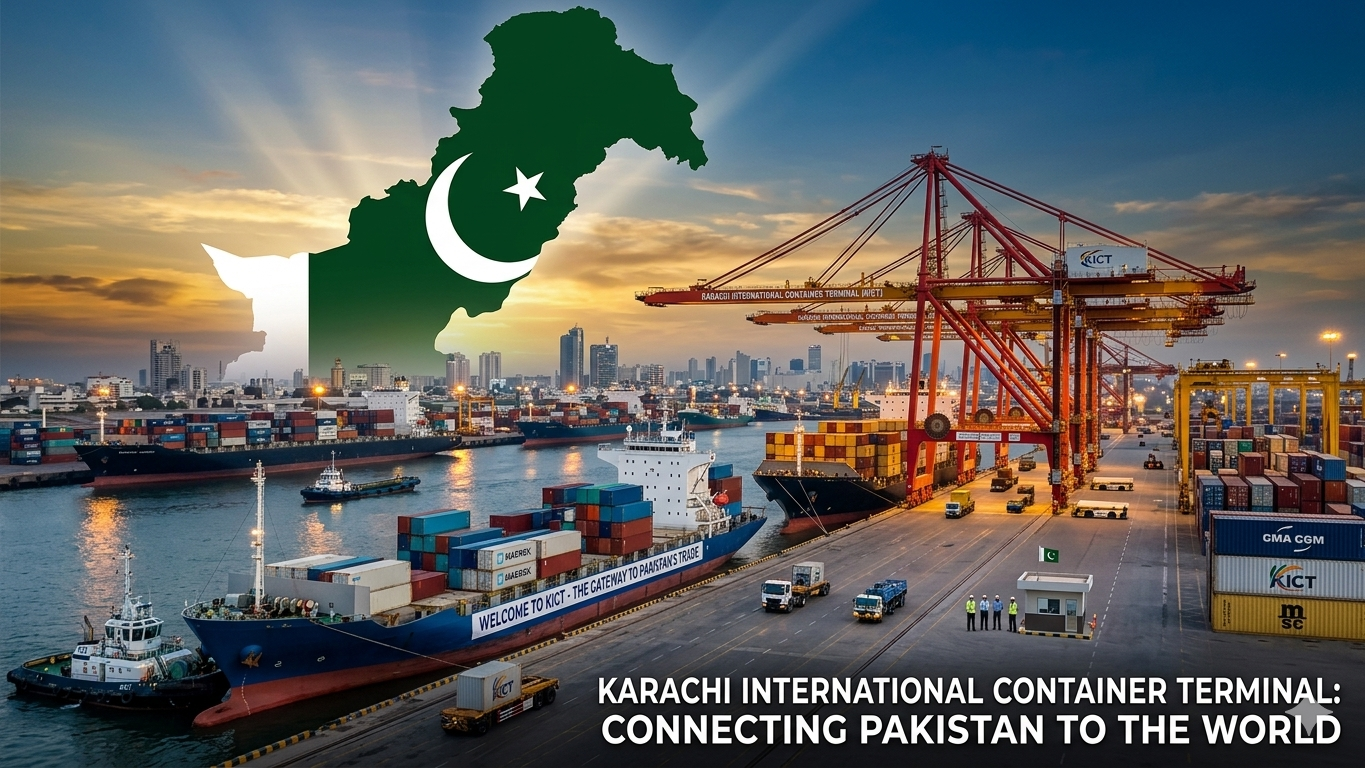
Overall, the export support package is valued at more than Rs255 billion, aimed at increasing industrial production, expanding access to international markets, and generating sustainable foreign exchange earnings.
Affordable Financing for Exporters
Under the Export Finance Scheme, exporters will be able to obtain working capital loans at a fixed interest rate of 8.5% for six months.
The government is expected to provide nearly Rs58 billion in subsidies during FY2027 to support the scheme, helping exporters reduce financing costs and expand production.
Long-Term Industrial Investment
The government has also introduced a Long-Term Export Growth Financing Facility, offering up to Rs350 billion in loans for new industrial projects and modern machinery.
Borrowers will pay only 2% interest during the first two years and 5% over the following eight years, with the government covering the remaining financing cost.
Officials believe the initiative will encourage industrial modernization and increase export competitiveness.
Additional Rewards for Higher Exports
The government has announced performance-based incentives for exporters.
Companies increasing exports by up to 10% compared with the previous year will receive incentives equal to 1% of the additional export value, while firms exceeding 10% export growth will be eligible for incentives of up to 2%.
The incentive program is expected to cost around Rs15 billion annually.
Reducing Dependence on IMF Support
Economists say the government has shifted financial incentives away from remittances toward export promotion to create a stronger and more sustainable source of foreign exchange.
If successful, the policy could boost industrial output, create jobs, increase tax revenues, and strengthen Pakistan’s long-term economic resilience.
However, analysts note that Pakistan’s economy still relies heavily on the IMF program and financial support from countries including China and Saudi Arabia.
Exporters Face the Real Challenge
Experts emphasize that while the government has introduced subsidized financing, tax relief, and other incentives, the responsibility now lies with exporters.
They say Pakistan must improve product quality, increase value-added manufacturing, expand into new international markets, and maintain consistent export growth.
Sustained export performance, economists argue, could help Pakistan reduce its dependence on IMF assistance and external financial support while building a stronger and more self-reliant economy.