

Muhammad Amanullah | August 5, 2026
The True Post The Strait of Hormuz has once again become the center of global attention after US President Donald Trump warned that Iran could face military action if the strategic waterway remains closed. His remarks have renewed concerns over Middle East security, global oil supplies, and international trade.
Trump Issues Strong Warning to Iran
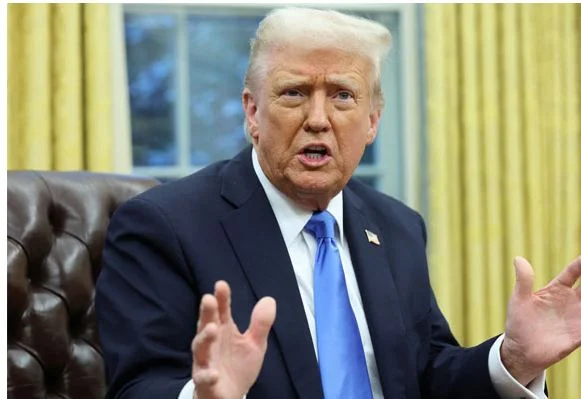
Speaking in an interview with Fox News, President Donald Trump said the United States expects the Strait of Hormuz to reopen soon. However, he warned that if the critical maritime route remains blocked, Iran could face a firm military response.
Trump stated that Washington continues to monitor developments closely while diplomatic discussions with Tehran remain ongoing. According to the US president, military action had been seriously considered before Iran signaled its willingness to engage in negotiations.
He added that the United States prefers a diplomatic solution but remains prepared to protect its strategic interests if talks fail.
Why the Strait of Hormuz Matters
The Strait of Hormuz is one of the world’s most important shipping lanes, connecting the Persian Gulf with the Gulf of Oman and the Arabian Sea.
A significant share of the world’s crude oil and liquefied natural gas exports passes through this narrow waterway every day. Any disruption to shipping in the area can immediately impact global energy prices, financial markets, and international supply chains.
Energy analysts warn that a prolonged closure could increase oil prices, disrupt fuel supplies, and place additional pressure on economies already facing inflation and geopolitical uncertainty.
Nuclear Talks Remain a Key Issue
Trump emphasized that any future agreement with Iran must guarantee that Tehran will never obtain nuclear weapons.
The United States has long expressed concerns over Iran’s nuclear program, while Iranian officials continue to insist that their nuclear activities are intended solely for peaceful civilian purposes.
Political analysts believe successful negotiations could help reduce regional tensions. However, failure to reach an agreement could significantly increase the risk of military confrontation.
Global Markets Watching Closely
The latest developments have drawn close attention from investors, energy companies, and governments worldwide.
Any escalation in the Gulf region could affect international oil markets, shipping costs, and broader economic stability.
Experts note that tensions involving the Strait of Hormuz rarely remain confined to the Middle East, often influencing energy prices, inflation, and global financial markets.
Pressure Continues to Build on Iran
Trump’s latest comments indicate that Washington intends to maintain diplomatic and political pressure on Tehran while keeping military options available if necessary.
Iran has repeatedly stated that it will defend its sovereignty and national interests, raising concerns among international observers that any misunderstanding between the two countries could quickly escalate into a wider regional conflict.
Trump Also Criticizes Domestic Policies
During the same interview, Trump also addressed US domestic politics, criticizing Democratic policies and arguing that certain ideological approaches have contributed to problems in major American cities.
He also criticized socialist and communist ideas, claiming they have negatively affected governance and public safety in some urban areas.
What Comes Next?
Security experts believe the Strait of Hormuz will remain one of the world’s most closely watched geopolitical flashpoints in the coming weeks.
If diplomatic negotiations between Washington and Tehran succeed, tensions may ease. However, if talks collapse, the possibility of renewed military confrontation could increase, with significant implications for global energy security and international trade.
