Muhammad Amanullah
Date: September 25, 2026 The True Post (Web News) —More than two years after her husband was killed in a shooting outside a Toronto high school, a Vaughan woman is calling for stronger and longer-term mental health support for families affected by violent crime.
Heather Jones-Parkes says the emotional impact of losing a loved one to a violent crime does not end after the initial crisis. She is now working with other crime victims to urge government officials to provide more sustained counselling and mental health services.
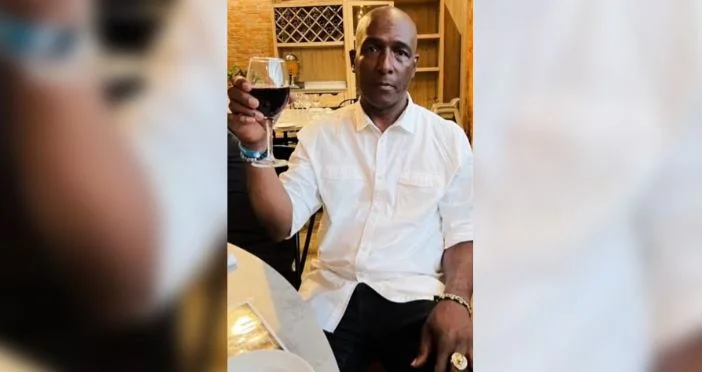
Her husband, Delroy “George” Parkes, was killed on June 2, 2024, after a shooting outside North Albion Collegiate Institute in North Etobicoke. Parkes and a group of friends had been gathering after playing soccer when gunfire erupted. (CityNews Toronto)
A Phone Call Changed the Family’s Life
Jones-Parkes has previously described receiving a phone call after the shooting that changed her family’s life.
According to earlier reporting, a friend called her after Parkes was shot. She could hear her husband in the background, but was unable to speak with him directly before he died in hospital. (Global News)
Parkes, 61, had been part of a group that regularly gathered in the area. Toronto police said at the time that two suspects arrived in a vehicle, got out and opened fire on the group before fleeing.
Four other people were wounded in the shooting. (Global News)
More Than Two Years Later, the Grief Continues
Jones-Parkes says the impact of the killing has continued long after the initial investigation and funeral.
She received counselling through Victim Services Ontario, a publicly funded service that provides support to victims of crime and their families.
However, she says the assistance was not sufficient for the long-term emotional effects of losing her husband.
“They give you a few sessions,” Jones-Parkes said, adding that clients have limited choice regarding the counsellors available through the program. (CityNews Toronto)
She says families dealing with a violent death may continue to have unanswered questions and emotional difficulties years after the incident.
Private Therapy Is Too Expensive
Jones-Parkes says she personally needs additional professional help but cannot afford to pay for a private therapist.
Among the questions she continues to struggle with are what her husband experienced during his final moments and who was with him when he was dying.
She says these unresolved questions demonstrate why families affected by violent crime may require mental health support beyond the immediate aftermath of an incident. (CityNews Toronto)
Other Crime Victims Join the Effort
Since her husband’s death, Jones-Parkes says she has met other people who have lost family members to crime.
Those encounters have led her to work with other victims to bring attention to the longer-term mental health needs of people affected by violent incidents.
She says the objective is not to seek financial compensation.
Instead, she wants governments to hear directly from victims about the psychological and emotional challenges they face after a crime.
Meetings With Political Leaders
Jones-Parkes and other victims recently met with Toronto Mayor Olivia Chow to discuss their experiences.
Jones-Parkes also has a meeting planned with at least one Ontario member of provincial parliament.
She says the group wants decision-makers to understand that the needs of victims can continue for years after a crime.
The issue is particularly significant for families who must cope not only with grief but also with fear, changes to their daily lives and unanswered questions surrounding the death of a loved one.
Ontario Government Says More Than $62 Million Is Being Invested
Ontario’s Ministry of Children, Community and Social Services, which oversees victim services, says the provincial government is investing more than $62 million to support victims and survivors of crime as well as witnesses.
Approximately $22 million of that funding goes toward the Victim Crisis Assistance Ontario (VCAO) program.
The ministry says VCAO provides victim-centred and culturally responsive support. (CityNews Toronto)
The government investment covers a range of services intended to assist people affected by crime.
Victims Say Long-Term Support Is Still Needed
Jones-Parkes acknowledges that support is available but says the existing system does not fully address the needs of people dealing with the long-term consequences of violent crime.
For her, the loss of her husband continues to affect her family more than two years after the shooting.
She says counselling should be available for longer periods and should give victims greater flexibility in choosing the type of professional support they receive.
The Impact of Violent Crime Can Last for Years
The experience of Jones-Parkes comes after a shooting that permanently changed the lives of several families.
Parkes was among five people shot outside North Albion Collegiate Institute in June 2024. He later died in hospital, while the other victims suffered injuries described by police as life-altering but non-fatal. (Global News)
The case has continued to affect Parkes’ family. At a later sentencing hearing, Jones-Parkes described ongoing fear and anxiety following her husband’s death. (Global News)
Her current campaign focuses on ensuring that families affected by violent crime have access to mental health support not only immediately after an incident, but also during the much longer process of grief and recovery.
For Jones-Parkes, the message to policymakers is that the emotional consequences of violent crime do not end when a police investigation or court proceeding is completed.