Muhammad Amanullah | September 8, 2026
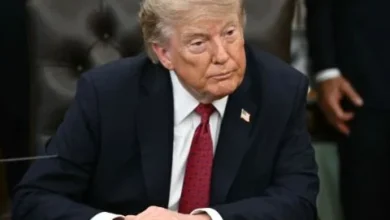
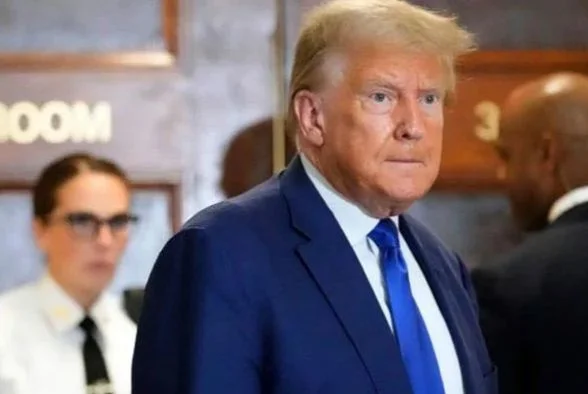
US President Donald Trump has claimed that global oil prices will fall sharply after what he described as an American victory in the war with Iran, predicting that petrol prices in the United States could eventually fall to around $3 a gallon and potentially below $2.
However, current conditions in the global oil market suggest that any major decline in prices would depend on far more than the end of the war. Global supply, the security of the Strait of Hormuz, production levels and market confidence will all play an important role in determining where oil prices settle.
Trump’s Claim
Trump said in a post on his social media platform, Truth Social, that oil prices would fall “very rapidly” once the war ended and the United States emerged victorious.
According to Trump, petrol prices for American consumers could decline to around $3 a gallon and eventually fall below $2.
His remarks come as the war with Iran and tensions surrounding the Strait of Hormuz have created significant uncertainty in global energy markets.
Why Have Oil Prices Risen?
Global oil prices are largely influenced by the balance between supply and demand.
When markets fear that supplies from a major oil-producing region could be disrupted, buyers are often willing to pay higher prices because of concerns about future shortages.
The risk is particularly significant in the case of Iran because the Persian Gulf and the Strait of Hormuz are critical routes for international energy trade.
Amid recent tensions and concerns over potential disruptions to supplies, the price of Brent crude has risen to around $98 a barrel.
What Could Happen if the War Ends?
If the war ends, maritime traffic through the Strait of Hormuz returns to normal and oil supplies continue without major disruption, the additional risk premium built into crude prices could begin to disappear.
In such circumstances, investors and oil buyers could become more confident about future supplies, potentially putting downward pressure on crude prices.
This is the central argument behind Trump’s prediction that oil and petrol prices could become significantly cheaper after the conflict.
But Ending the War May Not Be Enough
A major decline in oil prices, however, would not necessarily follow simply from the end of the war.
If Iran’s oil exports remain restricted, energy infrastructure has suffered significant damage or normal conditions are not fully restored in the Strait of Hormuz, concerns about supply could remain.
Similarly, stronger global demand or production cuts by major oil-producing countries could push prices higher again.
The global market will therefore be watching not only whether the conflict ends, but also how quickly oil production and transportation return to normal.
Petrol Prices Are a Separate Matter
Trump’s prediction that petrol could fall below $2 a gallon also cannot be directly linked to crude oil prices alone.
The final price paid by American motorists includes several components beyond the cost of crude oil, including refining, transportation, taxes, storage and local market conditions.
As a result, even a substantial decline in crude prices would not necessarily translate into an immediate or proportionate reduction in petrol prices.
Market Confidence Will Be Crucial
Expectations can have a major impact on oil prices.
If investors become convinced that Iran’s oil supplies will remain stable after the war and that the Strait of Hormuz will remain safely open, the risk premium currently built into oil prices could decline rapidly.
Conversely, if concerns about another escalation remain even after the war ends, oil prices could remain elevated rather than falling as sharply as Trump predicts.
The Iran Factor
Iran is one of the world’s important oil-producing countries, making its production and exports significant for global energy markets.
If Iranian oil production and exports return to normal after the war, an increase in global supply could help push prices lower.
However, sanctions, damage to infrastructure or continuing political disputes could delay the recovery of Iranian exports, making the kind of rapid decline predicted by Trump more difficult to achieve.
Political Claim or Economic Possibility?
Trump’s prediction that petrol prices could eventually fall below $2 a gallon is best viewed at this stage as an economic and political forecast rather than a guaranteed outcome.
There is a genuine economic possibility that oil prices could decline after the war if supply disruptions ease and market confidence returns.
The more difficult question is how far prices would fall.
That will depend on several factors, including Iranian production, global demand, OPEC+ production decisions, the security of the Strait of Hormuz and the broader geopolitical situation.
The Real Test Will Come After the War
The real test for Trump’s prediction will begin after the conflict ends.
If the Strait of Hormuz remains open and secure, Iranian oil exports recover, global supplies increase and no new regional crisis emerges, a significant decline in oil prices could become possible.
But if any of these key conditions fail, simply ending the war may not be enough to bring oil and petrol prices down to the levels Trump has predicted.
The possibility of cheaper oil is therefore not impossible, but it should not be treated as a certain economic outcome.
The direction of the global oil market will ultimately depend less on the formal end of the war and more on how quickly energy supplies recover, how secure regional shipping becomes and whether stability returns to the Middle East.
جی، اس خبر کو بھی The True Post کے لیے مکمل English article، Dawn-style reporting tone اور SEO package کے ساتھ تیار کر دیا ہے۔
Trump Says Oil Could Become Cheaper After Iran War — What It Could Mean for Global Markets
By Muhammad Amanullah | September 8, 2026
US President Donald Trump has claimed that global oil prices will fall sharply after what he described as an American victory in the war with Iran, predicting that petrol prices in the United States could eventually fall to around $3 a gallon and potentially below $2.
However, current conditions in the global oil market suggest that any major decline in prices would depend on far more than the end of the war. Global supply, the security of the Strait of Hormuz, production levels and market confidence will all play an important role in determining where oil prices settle.
Trump’s Claim
Trump said in a post on his social media platform, Truth Social, that oil prices would fall “very rapidly” once the war ended and the United States emerged victorious.
According to Trump, petrol prices for American consumers could decline to around $3 a gallon and eventually fall below $2.
His remarks come as the war with Iran and tensions surrounding the Strait of Hormuz have created significant uncertainty in global energy markets.
Why Have Oil Prices Risen?
Global oil prices are largely influenced by the balance between supply and demand.
When markets fear that supplies from a major oil-producing region could be disrupted, buyers are often willing to pay higher prices because of concerns about future shortages.
The risk is particularly significant in the case of Iran because the Persian Gulf and the Strait of Hormuz are critical routes for international energy trade.
Amid recent tensions and concerns over potential disruptions to supplies, the price of Brent crude has risen to around $98 a barrel.
What Could Happen if the War Ends?
If the war ends, maritime traffic through the Strait of Hormuz returns to normal and oil supplies continue without major disruption, the additional risk premium built into crude prices could begin to disappear.
In such circumstances, investors and oil buyers could become more confident about future supplies, potentially putting downward pressure on crude prices.
This is the central argument behind Trump’s prediction that oil and petrol prices could become significantly cheaper after the conflict.
But Ending the War May Not Be Enough
A major decline in oil prices, however, would not necessarily follow simply from the end of the war.
If Iran’s oil exports remain restricted, energy infrastructure has suffered significant damage or normal conditions are not fully restored in the Strait of Hormuz, concerns about supply could remain.
Similarly, stronger global demand or production cuts by major oil-producing countries could push prices higher again.
The global market will therefore be watching not only whether the conflict ends, but also how quickly oil production and transportation return to normal.
Petrol Prices Are a Separate Matter
Trump’s prediction that petrol could fall below $2 a gallon also cannot be directly linked to crude oil prices alone.
The final price paid by American motorists includes several components beyond the cost of crude oil, including refining, transportation, taxes, storage and local market conditions.
As a result, even a substantial decline in crude prices would not necessarily translate into an immediate or proportionate reduction in petrol prices.
Market Confidence Will Be Crucial
Expectations can have a major impact on oil prices.
If investors become convinced that Iran’s oil supplies will remain stable after the war and that the Strait of Hormuz will remain safely open, the risk premium currently built into oil prices could decline rapidly.
Conversely, if concerns about another escalation remain even after the war ends, oil prices could remain elevated rather than falling as sharply as Trump predicts.
The Iran Factor
Iran is one of the world’s important oil-producing countries, making its production and exports significant for global energy markets.
If Iranian oil production and exports return to normal after the war, an increase in global supply could help push prices lower.
However, sanctions, damage to infrastructure or continuing political disputes could delay the recovery of Iranian exports, making the kind of rapid decline predicted by Trump more difficult to achieve.
Political Claim or Economic Possibility?
Trump’s prediction that petrol prices could eventually fall below $2 a gallon is best viewed at this stage as an economic and political forecast rather than a guaranteed outcome.
There is a genuine economic possibility that oil prices could decline after the war if supply disruptions ease and market confidence returns.
The more difficult question is how far prices would fall.
That will depend on several factors, including Iranian production, global demand, OPEC+ production decisions, the security of the Strait of Hormuz and the broader geopolitical situation.
The Real Test Will Come After the War
The real test for Trump’s prediction will begin after the conflict ends.
If the Strait of Hormuz remains open and secure, Iranian oil exports recover, global supplies increase and no new regional crisis emerges, a significant decline in oil prices could become possible.
But if any of these key conditions fail, simply ending the war may not be enough to bring oil and petrol prices down to the levels Trump has predicted.
The possibility of cheaper oil is therefore not impossible, but it should not be treated as a certain economic outcome.
The direction of the global oil market will ultimately depend less on the formal end of the war and more on how quickly energy supplies recover, how secure regional shipping becomes and whether stability returns to the Middle East.