Muhammad Amanullah | The True Post
Date: October 30, 2026
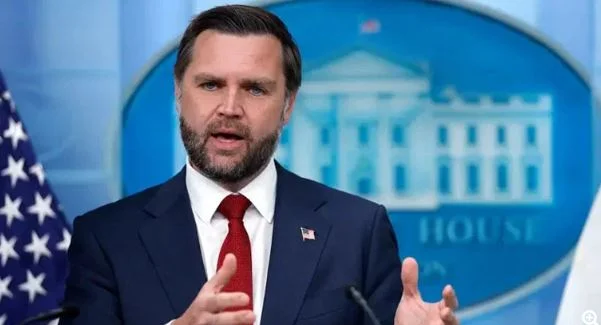
US Vice President JD Vance has said President Donald Trump will not allow the ongoing military conflict with Iran to turn into a prolonged or endless war.
Vance said opposition to lengthy military interventions overseas does not mean the United States must rule out the use of military force altogether. His remarks highlighted the Trump administration’s position of avoiding another drawn-out conflict while keeping military options available in dealing with Iran.
Speaking during a question-and-answer session with voters in Fort Worth, Texas, Vance defended US military policy in the Middle East. He said he understood the frustration among Americans over the country’s repeated military involvement in the region.
Vance referred to his own military service in Iraq, saying he had experienced the consequences of US military interventions in the Middle East and understood why many Americans were concerned about another prolonged conflict.
US Has Been Dealing With Iran for 47 Years
Vance said the United States had been dealing with Iran for the past 47 years and had remained involved in the issue in one form or another over approximately the last seven months.
He assured Americans that Trump would not allow the situation to develop into an endless war that could keep the United States engaged in a prolonged military campaign.
Vance Does Not Rule Out the Use of Military Force
The vice president stressed that opposing long-term overseas wars should not be interpreted as a complete rejection of military action.
According to Vance, Trump would take the necessary steps to achieve American objectives and then allow the administration to turn its attention to other important national priorities.
His remarks suggest that the Trump administration is seeking to reassure the American public that it does not intend to become trapped in another lengthy Middle East conflict, while maintaining the possibility of military action as part of its approach to Iran.
The comments come amid continuing tensions between Washington and Tehran, with the duration and potential consequences of the confrontation remaining major concerns for the region and the international community.