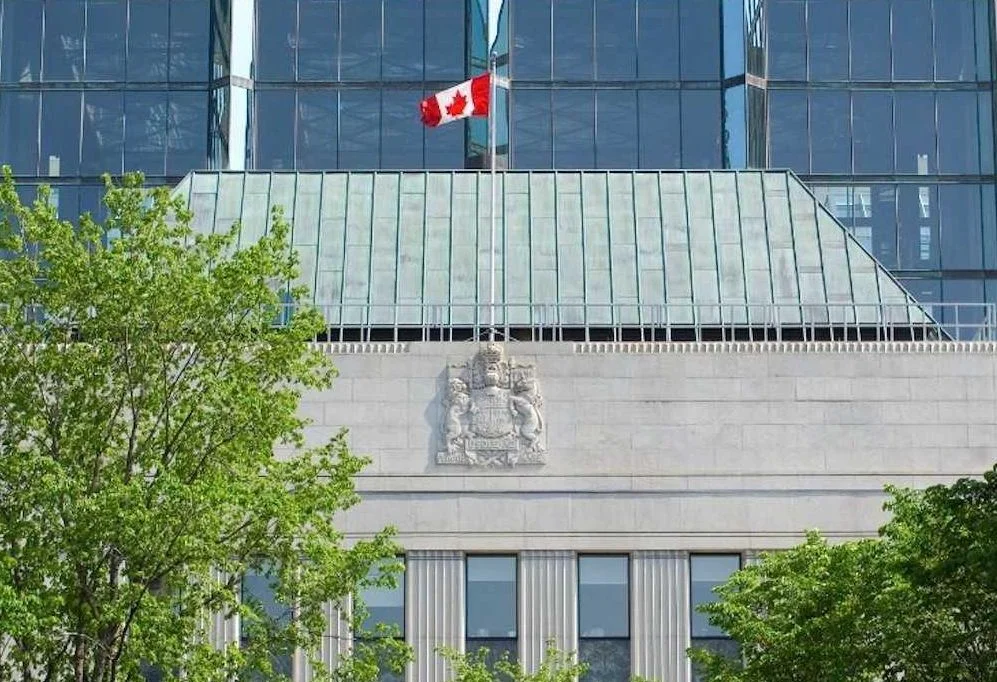
The Bank of Canada has announced a 0.25 percentage point increase in its benchmark interest rate, bringing it to 2.5%, amid growing inflationary pressures, rising energy prices and global trade uncertainty.
The decision is being viewed as a significant development for Canada’s economy, financial markets, business activities and housing sector.
The primary objective of the rate increase is to control inflation and maintain financial stability. However, the move could also increase financial pressure on ordinary Canadians, businesses and, particularly, people planning to purchase homes.
Economic Growth Could Slow Down
According to the Bank of Canada, the country’s economy grew at an annualized rate of 3.3% in the second quarter of 2026, while economic growth is expected to slow to approximately 2% in the third quarter.
These figures indicate that Canada’s economy continues to expand, but maintaining this momentum could become challenging amid changing global conditions and trade policies.
Potential new import tariffs imposed by the United States, along with growing trade tensions between the two countries, could particularly affect Canadian exports, industrial production and investment.
Trade Tensions With the United States Remain a Major Concern
A significant portion of Canada’s economy depends on trade with the United States. Any disruption in commercial relations between the two countries could affect Canadian industries, including automobiles, energy, agriculture and manufacturing.
If Washington increases tariffs on Canadian products, their competitiveness could decline while business operating costs rise.
Companies may consequently need to reconsider their pricing structures, production expenses and investment strategies.
Inflation Could Reach 3.5%
According to the Bank of Canada’s latest economic report, Canada’s Consumer Price Index (CPI) has remained close to 3% since April. Persistently high global oil prices have been a major contributor to this increase.
The central bank estimates that inflation could reach approximately 3.5% by the end of 2026.
In September, inflation excluding gasoline prices was recorded at 2.2%, while underlying measures of inflation remained close to 2%.
Officials say rising prices for oil, diesel and heating fuel increase not only household expenses but also operating costs for industries, transportation, food distribution and manufacturing.
The central bank is concerned that if energy prices remain elevated for an extended period, businesses could pass additional costs on to consumers, making other goods and services more expensive.
How Will Higher Interest Rates Affect Mortgages and Homeowners?
The interest rate increase could have its greatest impact on Canadians with variable-rate mortgages.
Potential consequences include:
- Variable-rate mortgages: Some borrowers could face higher mortgage payments as interest rates increase.
- New homebuyers: Obtaining a mortgage could become more expensive, potentially making homeownership less affordable.
- Business loans: Companies could face higher borrowing costs and increased interest expenses.
- Fixed-rate mortgages: Existing borrowers may not experience an immediate change, although higher rates could apply when their mortgages come up for renewal.
- Consumer spending: Households may reduce purchases and cut back on non-essential expenses to manage their budgets.
It is also important to understand that the Bank of Canada’s benchmark interest rate and mortgage rates offered by commercial banks are not identical. Mortgage pricing is also influenced by the bond market and other financial factors.
Could the Bank of Canada Increase Rates Further?
Bank of Canada Governor Tiff Macklem has indicated that further interest rate increases cannot be ruled out.
However, the central bank will assess economic conditions, inflation, energy prices and the global trade environment separately at each policy meeting.
According to the governor, a cautious approach is necessary under current circumstances. Tensions in the Middle East, global oil prices and Canada’s trade relationship with the United States will play important roles in determining the country’s economic outlook.
The Bank of Canada’s next interest rate announcement is expected on December 9, 2026.
What the Decision Means for Canadians
The interest rate increase represents an effort to control inflation, but it could also create fresh challenges for household budgets, housing costs and business investment.
Economists and financial market observers will now be watching whether lower oil prices, improvements in trade relations with the United States and easing inflation allow the central bank to maintain its current rate, or whether additional monetary tightening becomes necessary.
Ultimately, Canada’s economy is attempting to strike a balance between economic growth and inflation. The coming months will be particularly important for households, businesses and the country’s housing market.