Muhammad Amanullah | The True Post
Canada and the United States have stepped up trade discussions in recent days, but the two countries have yet to make substantial progress towards a broader agreement. A Canadian government official familiar with the negotiations said talks were continuing, although the limited progress so far has left the prospects for an early resolution to the trade dispute uncertain.
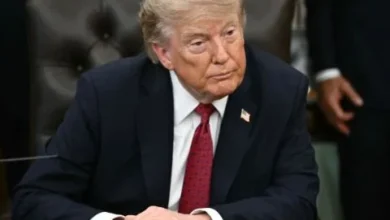
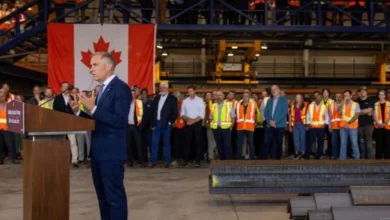
Canadian Prime Minister Mark Carney acknowledged on Tuesday that negotiations with Washington had gained some momentum over the previous few days. US President Donald Trump and members of his administration have also indicated that a trade agreement could potentially be reached before next week’s US midterm elections.
However, according to the Canadian official, who spoke on condition of anonymity because of the sensitive nature of the discussions, no major breakthrough has emerged despite ongoing contacts between the two governments.
Last-Minute Demands Complicated Negotiations
Trade tensions between Canada and the United States intensified after Carney’s government decided in August to end formal trade negotiations with Washington.
At the time, the Canadian prime minister accused US officials of introducing demands during the final stages of negotiations that Ottawa could not accept.
The decision deepened existing disagreements between the two countries. Washington imposed tariffs on billions of dollars’ worth of Canadian goods, prompting Ottawa to respond with counter-tariffs on American products.
The exchange of trade measures has created uncertainty for businesses and industries on both sides of the border. Canada and the United States maintain extensive commercial ties, making changes to tariffs particularly significant for cross-border trade, production costs and consumer prices.
Businesses that depend on integrated supply chains could face higher costs if tariffs remain in place or expand to additional products.
Trump Signals Tariff Relief but Adds New Measures
On Friday, Trump announced that he would remove some of the 50 per cent tariffs imposed on Canada at the end of the month. At the same time, he announced tariffs on several additional products, including products related to Canadian waste and sewage, according to the supplied report.
The announcements have complicated the outlook for resolving the trade dispute. While the proposed removal of some tariffs could offer limited relief to Canadian exporters, the introduction of new measures has raised further questions about the direction of US trade policy towards Canada.
It remains unclear how much the proposed changes would reduce overall trade tensions or whether the newly targeted products would become another point of disagreement in the wider negotiations.
The overall impact will depend on the scope of the changes, their implementation and whether both governments can reach agreement on the broader issues separating them.
Prospects for an Agreement Before the Midterm Elections
Trump and members of his administration have raised the possibility of reaching a deal before next week’s US midterm elections. However, reports of limited progress in the negotiations suggest that any agreement remains uncertain.
A broader trade deal would require both governments to resolve disagreements over tariffs, trading conditions and other outstanding issues. An increase in diplomatic engagement may indicate that communication has improved, but it does not necessarily mean that a final agreement is close.
For Carney’s government, the negotiations carry significant economic implications. US tariffs can affect Canadian exporters, manufacturing activity and businesses that rely on access to the American market.
The consequences also extend into the United States, where companies may depend on Canadian raw materials, components and finished goods. Higher import costs or disruptions to supply chains could affect businesses and consumers in both countries.
Related reading: US Tariff Pressure, Sluggish Economic Growth and a Rising Budget Deficit Put Canada to the Test
Uncertainty Remains as Talks Continue
For now, discussions between Ottawa and Washington are continuing, but no major agreement or immediate end to the trade dispute has been confirmed in the supplied report.
The direction of negotiations over the coming days, along with decisions on existing and proposed tariffs, will help determine whether the two countries can ease tensions or whether trade uncertainty will persist.
Despite renewed diplomatic activity and public suggestions that a deal may be possible, businesses on both sides of the border remain without certainty about the future terms of Canada-US trade.