Baasma Wafa | July 18, 2026
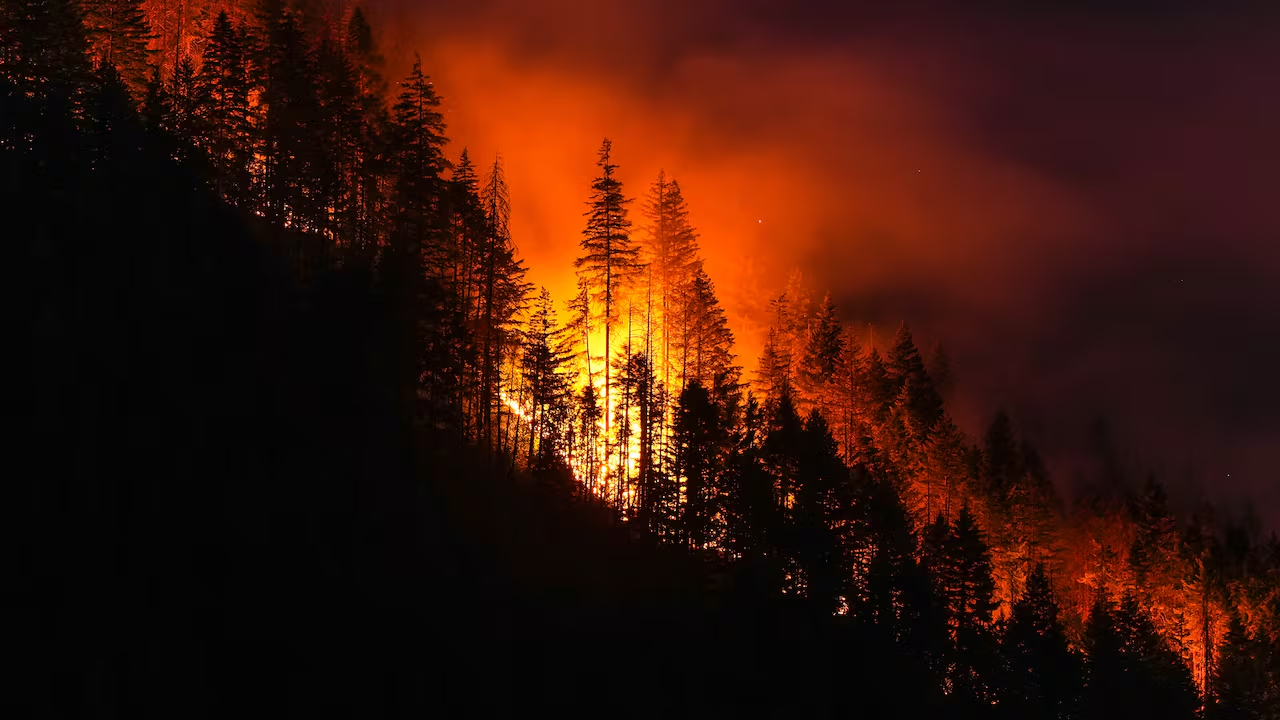
The True Post (Web News) Canada is once again facing a demanding wildfire season, with emergency crews battling dozens of active forest fires while governments across the country intensify efforts to protect communities, critical infrastructure, and vast stretches of woodland.
Although changing weather conditions have brought temporary relief to some regions, officials say the threat remains significant in several provinces where dry vegetation, warm temperatures, and shifting winds continue to create ideal conditions for new fires. Authorities have warned that the coming weeks will remain critical as firefighters work to contain existing blazes and prevent further outbreaks.
Federal and provincial agencies have expanded firefighting operations by deploying additional crews, aircraft, and specialized equipment to the hardest-hit areas. Water bombers and helicopters are being used to slow the spread of fast-moving fires, while emergency teams are coordinating closely with local authorities to ensure resources reach communities facing the greatest risk.
Public safety has become a central focus of Canada’s response. Emergency officials have strengthened wildfire monitoring systems, issued regular evacuation alerts where necessary, and urged residents living near forests to prepare emergency kits and evacuation plans. Temporary restrictions on campfires, outdoor burning, and other activities capable of igniting fires have also been introduced in several high-risk areas to reduce the chances of human-caused wildfires.
Beyond the immediate response, governments are placing greater emphasis on long-term wildfire resilience. Investments are being directed toward improved forest management, modern fire detection technology, and community preparedness initiatives designed to reduce the impact of future fire seasons.
Authorities say these measures are becoming increasingly important as longer periods of drought and higher temperatures continue to increase wildfire risks across large parts of the country.
The effects of the fires extend well beyond the burn zones. Thick smoke has affected air quality in numerous Canadian communities, prompting health officials to advise people, particularly children, older adults, and those with respiratory illnesses, to limit outdoor activities during periods of poor air quality. In some cases, wildfire smoke has travelled hundreds of kilometres, affecting neighbouring regions and parts of the United States.
Environmental experts believe Canada’s wildfire seasons are becoming longer and more intense due to changing climate conditions. They argue that while stronger emergency responses are essential, continued investment in prevention, forest restoration, and climate adaptation will play an equally important role in reducing future wildfire risks.
As firefighters continue their work on the front lines, officials are reminding Canadians that public cooperation remains one of the most effective tools in preventing new fires. By following local restrictions and staying informed through official alerts, residents can help reduce pressure on emergency services during one of the country’s most challenging wildfire seasons.