September 1, 2026 | Muhammad Aman Ullah
THE TRUE POST Pakistan’s assumption of the chairmanship of the Shanghai Cooperation Organisation (SCO) Council of Heads of State for 2026–27 is more than a ceremonial responsibility. It provides Islamabad with an important opportunity to advance its diplomatic, economic and regional priorities.
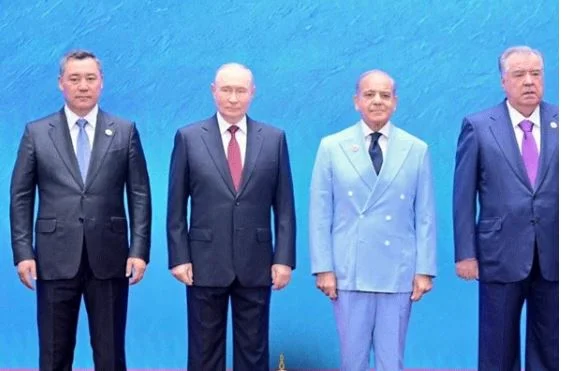
Following the signing of the summit declaration by Prime Minister Shehbaz Sharif in Bishkek, Pakistan formally received the mandate to lead the organisation during the upcoming term.
Pakistan’s Growing Role in the Region
The SCO brings together major regional powers including China, Russia, Pakistan, India and several Central Asian states.
Holding the organisation’s presidency gives Pakistan an opportunity to highlight its priorities on regional issues and encourage greater cooperation among member states.
At a time of significant geopolitical and economic uncertainty, issues such as security, trade, energy cooperation and regional connectivity have become increasingly important.
Pakistan could use its presidency to promote dialogue and cooperation on issues that directly affect the stability and economic development of the wider region.
Economic Cooperation Could Be a Major Focus
One of the biggest opportunities for Pakistan during its SCO presidency could come from strengthening economic and trade cooperation.
Pakistan has long sought to expand its economic links with Central Asian countries. Greater progress in trade, transportation networks and energy cooperation could open new economic opportunities for the country.
Pakistan’s geographical position also gives it the potential to serve as an important connection between Central Asia and international markets.
Improved road, rail and energy links could help Central Asian states gain access to regional ports and markets while allowing Pakistan to benefit from increased trade and transit activity.
Pakistan-Uzbekistan Relations Also Important
The meeting between Pakistan’s Foreign Minister Ishaq Dar and his Uzbek counterpart Bakhtiyor Saidov on the sidelines of the SCO summit is also significant in this context.
The two foreign ministers expressed their commitment to further strengthening the bilateral partnership and expanding cooperation in areas of mutual interest.
Pakistan and Uzbekistan have considerable potential for greater cooperation in trade, energy, railways and land connectivity.
The SCO platform could provide both countries with an opportunity to connect their bilateral initiatives with broader regional projects.
Connectivity Could Create New Opportunities
Regional connectivity is likely to remain an important issue during Pakistan’s SCO presidency.
For Pakistan, stronger transport links with Central Asia could help increase trade and strengthen its position as a regional transit hub.
Improved railway and road connections could facilitate the movement of goods between Central Asian countries, Pakistan and international markets.
Energy cooperation could also become an important part of the regional agenda, particularly as countries seek more reliable and diversified energy routes.
A Diplomatic Challenge for Pakistan
While the SCO presidency offers significant opportunities, it will also present a major diplomatic challenge for Islamabad.
Member states have different strategic interests and do not always agree on regional and international issues.
Pakistan and India also have a sensitive bilateral relationship, making consensus-building within a forum that includes both countries particularly challenging.
Pakistan will therefore need to pursue balanced diplomacy and encourage dialogue while attempting to build consensus among members with competing interests.
China and Russia Could Be Important Partners
China and Russia are among the most influential members of the SCO, and Pakistan’s relations with both countries could play an important role during its presidency.
Closer economic cooperation with China could support Pakistan’s connectivity and infrastructure ambitions, while stronger engagement with Russia could create opportunities in areas such as energy, trade and regional cooperation.
Pakistan could use the SCO platform to encourage practical cooperation rather than limiting the organisation’s agenda to political discussions.
Central Asia Offers Economic Potential
Central Asian states could be particularly important for Pakistan’s economic ambitions.
Countries such as Uzbekistan, Kazakhstan, Kyrgyzstan and Tajikistan have significant potential as trading and investment partners.
Pakistan’s access to the Arabian Sea could also offer these landlocked countries an alternative route to international markets.
For Islamabad, greater trade with Central Asia could help diversify its export markets and strengthen regional economic ties.
However, achieving these goals would require improvements in infrastructure, customs procedures, transportation networks and cross-border trade mechanisms.
Security Cooperation Remains Important
Security will also remain a central issue for the SCO.
The organisation has traditionally focused heavily on regional security concerns, including terrorism, extremism and transnational threats.
Pakistan can use its presidency to encourage greater cooperation and information-sharing among member states while promoting stability across the region.
A more secure regional environment would also support trade, investment and connectivity projects.
From Diplomatic Opportunity to Practical Results
The real success of Pakistan’s SCO presidency will ultimately depend on whether it can turn diplomatic discussions into practical initiatives.
Simply hosting meetings and issuing declarations would have limited long-term impact.
Pakistan could seek measurable progress in areas such as regional transport corridors, trade facilitation, energy cooperation, digital connectivity and people-to-people exchanges.
If concrete agreements and projects emerge during its presidency, Islamabad could strengthen its position as an important regional player.
What the SCO Presidency Could Mean for Pakistan
Pakistan’s 2026–27 SCO presidency provides Islamabad with an important platform to promote its diplomatic and economic interests.
It could help Pakistan strengthen relations with Central Asian states, increase regional trade, improve connectivity and attract greater attention to its role as a bridge between Central Asia and international markets.
At the same time, differences among SCO members and sensitive regional politics mean that Pakistan will need to maintain careful and balanced diplomacy.
If Islamabad focuses on practical cooperation, economic connectivity and consensus-building, its SCO presidency could become an important opportunity to strengthen Pakistan’s regional influence and create new avenues for economic cooperation.
The presidency therefore represents both an opportunity and a test for Pakistan: an opportunity to play a larger role in regional affairs, and a test of its ability to bring countries with different interests together around areas of common benefit.