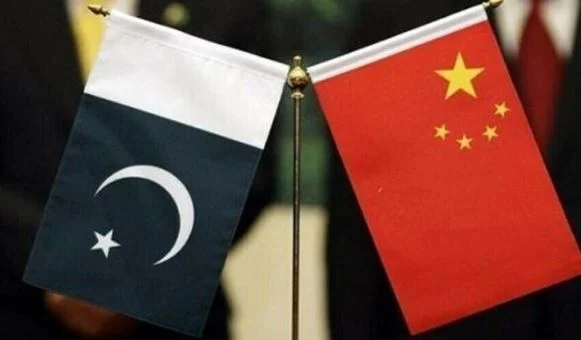
Muhammad Amanullah | August 4, 2026 The True Post (Web News) — Pakistan has formally requested China to complete the refinancing of a $1.3 billion commercial loan, with government officials expressing hope that the funds will be received later this month, helping strengthen the country’s foreign exchange reserves.
Pakistan and China Continue Refinancing Talks
According to sources in Pakistan’s Ministry of Finance, discussions with Chinese authorities are underway to finalize the refinancing arrangement.
Officials said both sides are working on the remaining terms and conditions, and once the process is completed, the funds are expected to be transferred back to Pakistan.
Foreign Exchange Reserves Expected to Improve
Government officials believe the refinancing will ease pressure on Pakistan’s foreign exchange reserves and help the country manage its external payment obligations more effectively.
The Finance Ministry noted that recent repayments of external debt have reduced reserve levels, making the refinancing an important step toward maintaining financial stability.
Major External Payments in July
Sources said Pakistan made $2.2 billion in external debt repayments during July, including approximately $1.3 billion paid against a Chinese commercial loan.
The government is now seeking to refinance the same amount to restore liquidity and strengthen reserve levels.
State Bank Plans Dollar Purchases
Officials also revealed that the State Bank of Pakistan (SBP) expects to purchase more than $7 billion from the interbank foreign exchange market during the current fiscal year.
The acquired dollars will be used to support external debt repayments and improve the country’s foreign exchange reserves.
Government Focuses on Economic Stability
Economic experts say refinancing external loans and maintaining adequate foreign exchange reserves are essential for Pakistan’s financial stability and international payment obligations.
The government is continuing efforts to ease economic pressures through support from friendly countries, international financial institutions, higher exports, and increased workers’ remittances.