Muhammad Amanullah | August 6, 2026
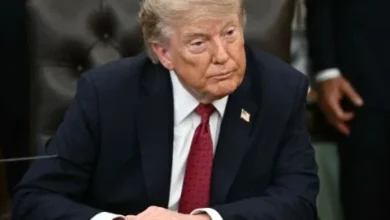
Questions are growing over U.S. military preparedness as tensions with Iran continue to escalate. According to a report by The Washington Post, President Donald Trump questioned Defense Secretary Pete Hegseth about shortages in the U.S. military’s weapons and missile stockpiles during a Cabinet meeting at Camp David.
The report said Trump was surprised that shortages of key military weapons were still continuing despite previously being told that the situation had improved.
Trump Questions Why Weapons Shortages Remain
According to The Washington Post, Trump asked the defense secretary why shortages of critical weapons were still present if he had previously been informed that the problem had been addressed.
The report said the president was particularly focused on long-range guided missiles and interceptor missiles used by air-defense systems.
These weapons are considered critical in major military operations because they can be used to strike targets at long distances and defend against incoming attacks.
Limited Options in a Potential Iran Conflict
According to the report, shortages in U.S. military stockpiles could affect Washington’s options for any major military action against Iran.
Sources cited in the report suggested that limited supplies of advanced missiles and defensive systems could make it more difficult for U.S. officials to assess the risks and potential consequences of a major operation.
Military analysts have long emphasized that advanced technology alone is not enough to sustain a prolonged conflict. Large reserves of missiles, ammunition, air-defense systems and other military supplies are also required for continued operations.
Why Is Pressure Growing on the Pentagon?
President Trump has consistently supported a tough approach toward Iran, but U.S. military capabilities remain an important factor in any potential decision to expand military operations.
If Washington were to pursue a prolonged military campaign against Iran, the availability of missiles, ammunition, air-defense interceptors and logistical support would be critical.
The reported discussion over weapons stockpiles has therefore drawn renewed attention to the Pentagon’s ability to support a sustained military operation.
White House Rejects Report
The White House has rejected the report.
White House Press Secretary Karoline Leavitt said reports of disagreements between Trump and Defense Secretary Pete Hegseth over Iran policy or military matters were inaccurate.
Leavitt said Trump has full confidence in Hegseth’s performance and dismissed reports suggesting a dispute between the president and defense secretary.
What Is Really at Stake?
The significance of the reported disagreement extends beyond the relationship between Trump and the Pentagon.
It also raises broader questions about U.S. military strategy and the ability of Washington to sustain operations across multiple potential theaters.
Even as Trump maintains a tough position toward Iran, U.S. officials would have to consider how long American forces could sustain a major military campaign and whether available weapons and defense systems would be sufficient.
Military Power Versus Battlefield Reality
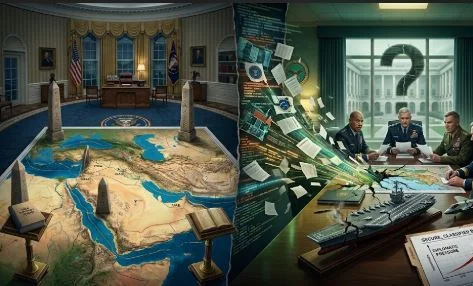
Any potential U.S. action against Iran would involve more than military strength. Washington would also have to consider international reactions, regional allies, economic consequences and the possibility of a wider conflict.
The latest report raises a broader question: can the world’s leading military power sustain a prolonged conflict on another major front, or does it also face limitations in weapons stockpiles and military capacity?
The next steps taken by Washington could determine whether the confrontation with Iran moves toward negotiations or further military escalation.