Muhammad Amanullah
Date: September 30, 2026 The True Post (Web News) —An 87-year-old woman died after suffering from extreme cold following a prolonged power outage in Montreal, Canada, in January. According to a newly released report by a Quebec coroner, the woman spent approximately 36 hours without electricity during the outage. Her body temperature subsequently dropped to a dangerously low level, and she could not be saved.
Woman Found Unconscious at Home
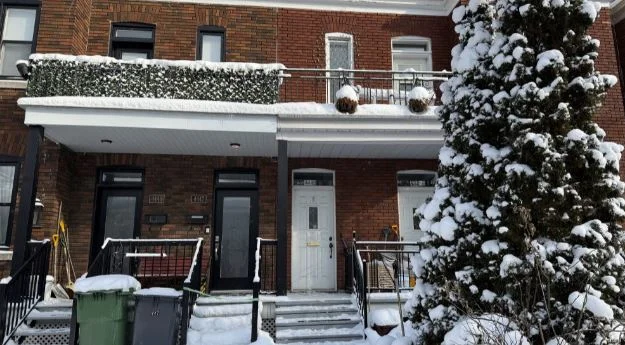
Shaila Padmore was found lying on the floor of her apartment in Montreal’s Notre-Dame-de-Grâce neighbourhood on January 25. Police had visited her residence to check on her well-being.
When emergency responders arrived, the woman was suffering from severe cold. Her hands were extremely cold, she was experiencing difficulty breathing, and she appeared confused and disoriented.
She was immediately transported to hospital, where doctors recorded her core body temperature at just 24.5 degrees Celsius.
Death the Following Morning
Despite being taken to hospital, Padmore’s condition did not improve, and she died the following morning.
In her report, Quebec coroner Marie-Claude Boutin concluded that the woman died after being exposed to cold temperatures for an extended period following the power outage at her home.
The report classified her death as accidental, meaning it was not the result of a deliberate act or a planned incident.
How Did the Power Outage Occur?
According to the report, the power outage began on January 24 after equipment malfunctioned at the Hampstead substation.
The outage affected approximately 15,000 customers in Montreal. In some areas, electricity restoration took more than 48 hours, forcing residents to endure prolonged periods without electricity and heating during extremely cold weather.
Shaila Padmore was among those for whom the power outage proved particularly dangerous.
Age and Body Composition
The coroner’s report stated that Padmore’s age and very low body weight made her more vulnerable to the effects of cold.
According to the report, lying on the floor may also have increased the loss of body heat, causing her temperature to fall further.
Prolonged exposure to extremely cold surroundings can weaken the body’s ability to maintain its normal temperature. This can be particularly dangerous for older adults.
Body Temperature Fell to 24.5 Degrees Celsius
According to Montreal cardiologist and epidemiologist Dr Christopher Labos, a body temperature below 28 degrees Celsius represents an extremely dangerous condition.
He explained that once body temperature falls below this level, the situation becomes very serious, and the risk increases as the temperature continues to drop.
He added that older adults may have a reduced ability to retain body heat. People with lower levels of body fat may also lose heat more rapidly.
Neighbour Raises Questions
Dawn Lambing, a neighbour and tenant of Padmore, expressed sadness over the incident. She said she believed more could have been done to inform vulnerable and elderly residents that they should move to a warm and safe location during a prolonged power outage.
Referring to Padmore’s husband, Calvin, Lambing said the situation might have been different if someone had advised them in time to relocate to a safe, heated place after the electricity went out.
Concerns Over the Accidental Death Classification
Lambing said she understood why the coroner classified the death as accidental, given that nobody had planned the incident. However, she stressed that the circumstances surrounding the death should not be overlooked.
She questioned why clear instructions are not provided to help elderly or vulnerable residents relocate to safe places when electricity remains unavailable for an extended period in their neighbourhood.
The incident highlights the risks associated with prolonged power outages during severe winter weather, particularly for elderly people who lose access to heating in their homes.
The coroner’s report into Shaila Padmore’s death also demonstrates that power outages can pose more than an inconvenience to everyday life. Under certain circumstances, they can become life-threatening for vulnerable members of the community.