Muhammad Amanullah | The True Post
Date: October 30, 2026
Political tensions have intensified in Israel following the announcement of general election results, with opposition leaders and Arab political parties accusing Prime Minister Benjamin Netanyahu and his Likud party of attempting to undermine the credibility of the vote and cast doubt on the strong performance of Arab parties.
Qatar has also firmly rejected allegations that it interfered in the Israeli electoral process, describing the accusations as baseless and politically motivated.
According to the BBC, Netanyahu’s Likud party alleged that Arab Israeli parties had secured electoral gains through vote-buying and foreign interference. Following these claims, Israel’s domestic security agency, Shin Bet, began reviewing the allegations.
Qatar dismissed accusations made by Israeli politicians as both absurd and dangerous. In a statement, the Qatari Foreign Ministry accused Israeli politicians of conducting a misleading campaign against Doha, warning that such statements could further increase political tensions across the region.
Election Results Complicate Government Formation
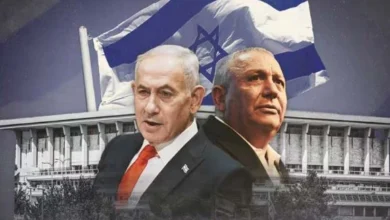
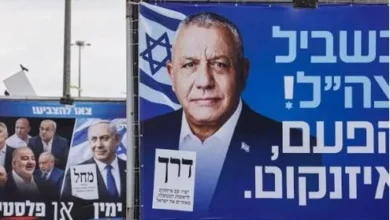
Final election results show that the alliance led by Prime Minister Benjamin Netanyahu secured 53 seats, while the rival bloc led by Gadi Eisenkot won 48 seats. Meanwhile, two Arab political alliances performed better than expected, collectively securing 19 seats.
No major bloc has secured a majority in Israel’s 120-member parliament, the Knesset. As a result, Arab parties have emerged as potentially decisive players in the government-formation process.
Their electoral performance has significantly changed the political balance, making it more difficult for either of the two main blocs to form a government without addressing the position of Arab representatives.
Opposition Accuses Netanyahu of Undermining Electoral Credibility
Opposition leader Gadi Eisenkot accused Netanyahu of making a coordinated effort to damage public confidence in the election results.
He said it was too early to determine whether any irregularities had actually occurred during the voting process. Instead of questioning the results prematurely, he argued, the allegations should be examined on the basis of evidence.
Arab Parties Reject Allegations
The Joint List, an Arab-majority political alliance, also rejected allegations of electoral fraud and foreign funding, describing them as baseless.
Party leader Sami Abu Shahadeh said the losing side was attempting to discredit Arab parties through what he described as racist accusations, undermining the significance of the public mandate they had received.
Meanwhile, Shin Bet clarified that reviewing the allegations did not mean the agency considered the entire Arab community suspicious or was accusing citizens who had voted legally.
Dan Livne, acting director-general of Israel’s Central Elections Committee, also said there was currently no basis for claims of systematic irregularities in the electoral process.
Political Uncertainty Continues
The election results have created an unusual political situation in Israel. Netanyahu’s alliance has fallen short of a parliamentary majority, while the gains made by Arab parties have placed them in a position to play an important role in determining the next government.
The competing allegations and counterclaims have added to existing political divisions. Negotiations and political manoeuvring among the parties are now expected to play a central role in determining how the next government will be formed.