

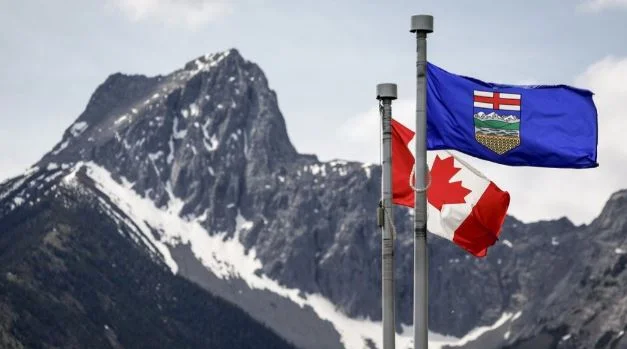
Preliminary results from a referendum-related vote in Alberta, Canada’s oil- and gas-rich province, show that 76% of voters supported remaining part of Canada, while 24% voted in favour of beginning the legal process for a future final referendum on independence. The results are being viewed as a major setback for the separatist movement.
The vote, held on October 19, asked Albertans whether the provincial government should begin taking steps to hold a future, legally binding referendum on separation from Canada. It was not a vote on immediate independence, but rather a measure of public support for potentially holding a definitive referendum in the future.
Mark Carney Welcomes the Results
Canadian Prime Minister Mark Carney welcomed the results, saying Albertans had delivered a clear decision. He said Canadians would move forward together with renewed determination.
The outcome carries political significance for Carney because Alberta plays a major role in Canada’s economy through its oil and gas production. Strong public support for separation could have created political and economic challenges for the federal government.
Why Has the Separatist Movement Gained Momentum?
The separatist movement in Alberta has become increasingly prominent in recent years. Supporters argue that the province’s interests are not adequately represented within Canada’s federal system and that environmental policies are creating obstacles for the oil and gas industry. They want Alberta to have greater control over its natural resources and economic decisions.
Separatist leaders have also sought support from US officials, including through meetings aimed at gaining backing from President Donald Trump’s administration. US tariff threats against Canada, along with Trump’s remarks about potentially annexing the country, have added sensitivity to the issue.
However, the preliminary results show that separatists did not secure majority support. The fact that approximately one-quarter of voters backed starting the legal process for a future referendum indicates that the idea of independence remains present in Alberta, but it has not gained majority backing.
What Does This Mean for Alberta’s Future?
Prime Minister Mark Carney has previously warned that attempts to separate Alberta from Canada could lead to prolonged political division and uncertainty. Alberta’s economy is closely connected to Canada’s energy sector, meaning any move towards separation could have far-reaching economic, trade and constitutional consequences.
The preliminary results give a clear advantage to those who support Alberta remaining within Canada. However, they do not mean that all disagreements between the province and the federal government have been resolved. Issues such as energy development, environmental regulations, provincial autonomy and the division of powers are likely to remain part of the political debate.
Overall, the preliminary referendum-related results have dealt a setback to Alberta’s separatist movement and strengthened the position of those who support Canadian unity. The future of the independence movement will largely depend on how the federal government and Alberta’s leadership address the province’s concerns and resolve their ongoing differences.
