Muhammad Aman Ullah | The True Post
WASHINGTON: U.S. President Donald Trump has expressed confidence that the ongoing conflict with Iran will not continue for an extended period, arguing that Tehran may not be able to sustain the burden of a prolonged war.
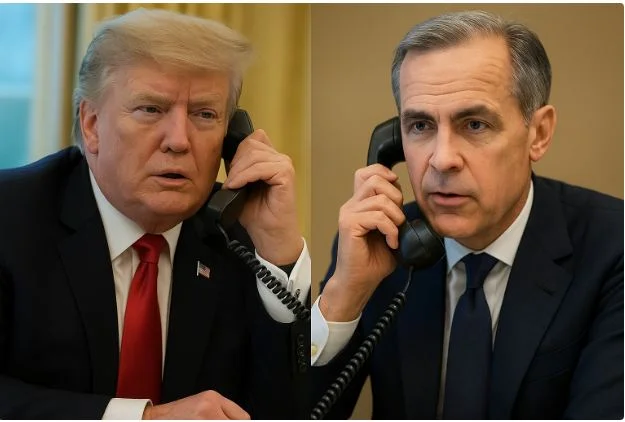
Speaking to reporters in the Oval Office, Trump said he believes the situation could come to an end relatively soon. His comments have raised fresh questions about the direction of the conflict and whether continued military pressure could eventually lead to a diplomatic solution.
Trump Highlights U.S. Military Strength
Trump said the United States remains in a strong position because of its advanced military technology, weapons systems and overall defense capabilities.
According to the president, Iran has limited resources to sustain a long-term conflict. However, military analysts note that the outcome of a war depends on more than the number of weapons available.
Economic strength, military strategy, international alliances, logistics and political decisions can all play a major role in determining how a conflict develops.
U.S. Weapons Stockpiles Under Pressure
Trump also acknowledged that the U.S. military does not have unlimited supplies of certain advanced weapons.
He said some weapons are available in limited quantities, while the United States is working to increase defense production.
The issue has attracted attention as Washington considers its military options amid growing tensions with Iran and other international security challenges.
Patriot and Tomahawk Production
U.S. officials have been working to increase production capacity for key weapons systems, including Patriot air-defense systems and Tomahawk cruise missiles.
Experts say modern warfare increasingly depends on advanced missiles, drones, air-defense systems and precision-guided weapons. Maintaining sufficient stockpiles is therefore considered essential for any prolonged military operation.
Continued Pressure on Iran
The United States has maintained political and economic pressure on Iran for years, citing concerns over Tehran’s regional activities and nuclear program.
Iran has rejected U.S. accusations and maintains that its defense capabilities are intended to protect the country.
The latest conflict has once again brought long-standing tensions between Washington and Tehran to the forefront.
Is the Conflict Nearing an End?
Trump’s latest comments suggest that Washington believes continued pressure could force Iran toward a quicker resolution.
However, major international conflicts often involve complex political and diplomatic calculations. Military strength is only one factor, while economic costs, regional alliances and negotiations can also determine how a conflict ultimately ends.
Global Markets Remain Concerned
Any major escalation between the United States and Iran could have consequences beyond the two countries, particularly for the Middle East, global oil prices and international trade.
Governments and financial markets are therefore closely watching developments as the conflict continues.
Trump’s confidence that the war will end soon contrasts with his acknowledgment that U.S. weapons stockpiles are not unlimited. The situation highlights how modern warfare depends not only on military power, but also on weapons production, logistics, resources and the ability to sustain operations over time.