The True Post (Web News) | MUHAMMAD AMANULLAH | October 20, 2026
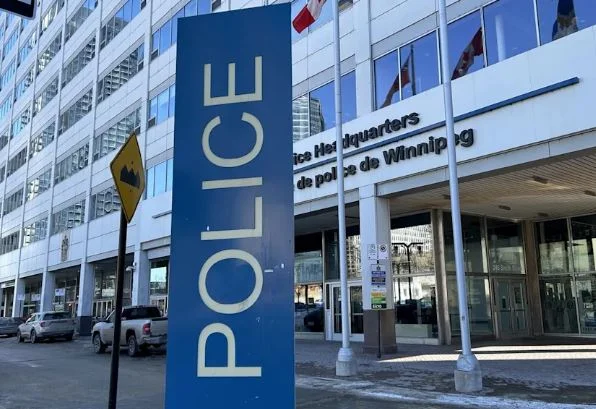
A final investigative report into the construction of Winnipeg’s police headquarters in Canada has identified serious concerns involving financial irregularities, alleged misconduct and violations of ethical standards. The report includes 25 recommendations aimed at improving transparency, accountability and oversight in future public infrastructure projects.
Investigation commissioner Garth Smorang released the report on Monday, outlining concerns about the project’s management and substantial cost overruns.
The project, funded with public money, exceeded its approved budget by more than $70 million. Winnipeg Police Service’s new headquarters was developed through the purchase and renovation of a former Canada Post building. The project was completed in 2016, but questions continued to surround its financial arrangements and the process used to approve contracts.
According to evidence presented during the inquiry, contractor Caspian Construction received approximately $42 million in additional payments related to extra bills and claims. The report also raised concerns about $1.3 million provided for project expenses to an employee of a consulting firm, indicating that the money had been redirected from its intended purpose.
The commissioner’s findings suggested that without the additional amounts identified during the investigation, the project’s final cost could have remained within the budget approved by Winnipeg City Council in 2011.
The inquiry sought to establish why costs increased so substantially and identify weaknesses in contracting, payments and oversight.
Former Mayor and Senior Official Face Ethics Questions
The report identified concerns about potential violations of Winnipeg City Council’s code of conduct involving former mayor Sam Katz and former senior municipal official Phil Sheegl.
The code requires elected officials to avoid situations in which personal interests conflict with their public responsibilities. It also requires the disclosure of business interests or relationships that could reasonably create a conflict of interest.
In July 2011, city council increased the police headquarters project budget to $193.567 million and authorized Sheegl to award contracts needed to complete the project.
According to testimony cited in the report, Katz acknowledged that he expected Caspian Construction to receive the contract.
The report also detailed financial transactions in July 2011 involving Sheegl, Katz and businessman Armik Babakhaniyan.
On July 22, Babakhaniyan transferred $200,000 to Sheegl through his company, Mountain Construction. Eight days later, Sheegl transferred $100,000 to Katz.
Approximately a year later, Katz reportedly received US$127,200 from Babakhaniyan and transferred half of that amount to Sheegl a week later.
The payments were described as relating to the purchase of interests in Tortoise, an investment property in Buckeye, Arizona, jointly owned by Katz and Sheegl.
The transactions subsequently became the subject of proceedings in Manitoba courts. Following civil proceedings, Sheegl was found liable for accepting a bribe under civil law and was ordered to pay $1 million.
Questions Over Contract Awards and Budget Increases
The investigation also examined decisions made by Katz in 2011 that benefited Babakhaniyan and Caspian Construction.
According to the report, Katz voted in favour of two resolutions that directly benefited the parties. Approximately 10 days later, he received $100,000 from Sheegl.
The report also examined a 2013 decision to increase the project budget further, an adjustment that benefited Caspian Construction.
In his testimony, Katz said numerous matters were being handled at the time and that he considered the financial transactions relatively minor. He maintained that he did not believe the payments could have influenced his votes or decisions.
However, he acknowledged that the appropriate course of action would have been to disclose the relevant interest.
Sheegl also acknowledged shortcomings in how he handled the relationship between his Arizona investment and the police headquarters contract. He said he had initially failed to recognize the significance of the connection and later realized that he should have disclosed his interests to the city administration.
A Personal Home Improvement Payment
The report also detailed another financial arrangement involving Sheegl and Babakhaniyan.
In June 2013, Sheegl asked Babakhaniyan to build a wooden exterior deck at his home. The work cost $8,534.41, which was paid by Babakhaniyan or his company, Caspian.
According to the report, Sheegl repaid the amount four years later, after the matter had attracted media attention.
The transaction added to the inquiry’s examination of financial relationships and the importance of disclosing potential conflicts involving public officials and contractors.
Criminal Proceedings Under Renewed Review
The Royal Canadian Mounted Police previously investigated the financial dealings associated with the police headquarters project. No criminal charges were laid at that time.
In a statement issued on December 13, 2019, Manitoba Prosecution Service said the admissible evidence and legal issues then available did not provide a reasonable prospect of proving a criminal offence beyond a reasonable doubt.
In April 2022, Sheegl was found civilly liable for accepting a bribe and ordered to pay damages. However, prosecutors have emphasized that the legal standard in civil proceedings differs from the standard required in a criminal prosecution.
A civil finding does not automatically establish criminal guilt.
A review conducted in February 2025 similarly concluded that the available evidence did not support a reasonable prospect of proving criminal charges beyond a reasonable doubt.
Following the emergence of additional information and evidence during the public inquiry, the prosecution service began a renewed review of the matter in July 2026.
The service is examining material presented during the commission hearings to determine whether any new admissible evidence could alter the earlier assessment of potential criminal proceedings.
Officials have stressed that public inquiries and criminal prosecutions serve different purposes and operate under different legal requirements. Criminal proceedings must comply with strict evidentiary standards and protect the constitutional rights of accused individuals.
Winnipeg Mayor Responds to Findings
Winnipeg Mayor Scott Gillingham also issued a statement responding to the report’s findings, saying steps had been taken to improve municipal oversight, governance and project delivery.
The report has renewed scrutiny of how major publicly funded projects are managed and how financial decisions are monitored.
Its findings highlight the importance of transparent procurement processes, timely disclosure of potential conflicts of interest and independent oversight to ensure public money is spent appropriately.
The 25 recommendations are intended to help strengthen safeguards and reduce the risk of similar problems in future municipal projects.
As the prosecution service reviews the additional evidence, questions surrounding accountability for the Winnipeg police headquarters project remain an important issue for the city.