The True Post (Web News) | By MUHAMMAD AMANULLAH | October 20, 2026
Alberta’s closely watched provincial referendum has drawn attention to the province’s future within Canada, with voters weighing in on potential separation alongside several constitutional and immigration-related questions. Delays at more than 100 polling stations have pushed back the release of initial results, leaving supporters of independence and those favouring continued Canadian unity waiting for the outcome.
The central question facing voters was whether Alberta should remain part of Canada or move toward holding a binding referendum on the province’s separation. The issue has become a significant part of the province’s political debate, with potential implications for Alberta’s future and its relationship with the federal government and other provinces.
Why Were Results Delayed?
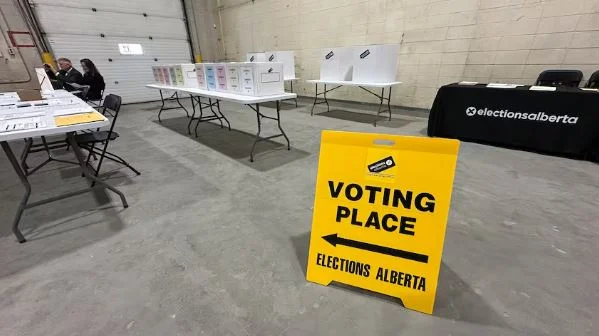
Election officials reported delays at multiple locations, forcing more than 100 polling stations to remain open beyond the scheduled closing time of 8 p.m. As a result, initial results were not expected to be announced before 10 p.m. local time.
Officials made it clear that results would not be released until voting had concluded at every polling station. The decision extended the wait for voters, political activists and campaign representatives following the referendum.
The delays also affected election-night gatherings across the province. In Edmonton, political groups held events where supporters discussed the vote count and possible outcomes.
Divisions Among Secession Supporters
A lack of unity among groups advocating Alberta’s independence also emerged as a key issue during the campaign. Keith Wilson, an activist involved in the separation movement, said differences between groups were, to some extent, a natural part of the process.
According to Wilson, grassroots movements often bring together people with different opinions and priorities, making it difficult for all participants to agree on a single message.
He added that maintaining a consistent message and strategy across a broad-based public movement can be challenging.
Analysts also noted that disagreements among pro-separation campaigns became more visible during the referendum period. Ian Brodie, who served as chief of staff under former prime minister Stephen Harper, pointed to campaign advertising expenditure rules as one possible reason for groups operating separately.
He suggested that restrictions on advertising spending could encourage some participants to work through separate organizations to communicate their messages more effectively.
Both Sides Await the Outcome
Supporters of Alberta independence gathered at an Alberta Prosperity Project event in Edmonton to await the results. Expectations among attendees varied. Some hoped a clear majority would support holding a binding referendum on separation, while others believed the independence movement might not achieve an immediate breakthrough but could retain prospects for the future.
Meanwhile, supporters of keeping Alberta within Canada gathered at an event organized by Forever Canadian in Edmonton. The atmosphere appeared more optimistic, with the organization’s founder, Thomas Lukaszuk, and Edmonton Centre MP Eleanor Olszewski joining attendees in singing and dancing to music.
Participants continued to follow developments as they awaited the announcement of the results.
Nine Other Questions on the Ballot
The referendum extended beyond the question of Alberta’s potential separation from Canada. The ballot contained 10 questions in total, with the remaining nine addressing constitutional matters and immigration policy.
The additional questions broadened the scope of the vote, giving Albertans an opportunity to express their views on issues involving provincial powers, the federal system and immigration.
The outcome could therefore influence debate on several important policy areas, beyond the province’s constitutional relationship with Canada.
A Critical Moment for Alberta’s Political Future
The referendum is being viewed as an important moment for Alberta’s political direction and its relationship with the federal government. However, even after voters’ views on separation become clear, the wider political debate is unlikely to end immediately.
Support for separation in a referendum would not, by itself, mean that Alberta would automatically leave Canada. Legal and constitutional processes would remain relevant to any attempt to achieve independence.
Similarly, if the independence movement fails to secure the level of support it seeks, the issue could continue to feature prominently in Alberta politics.
For now, attention remains focused on the vote count and final results, which are expected to provide a clearer picture of how Albertans view the province’s future, its relationship with Canada and the accompanying constitutional and immigration questions.