Muhammad Amanullah | The True Post
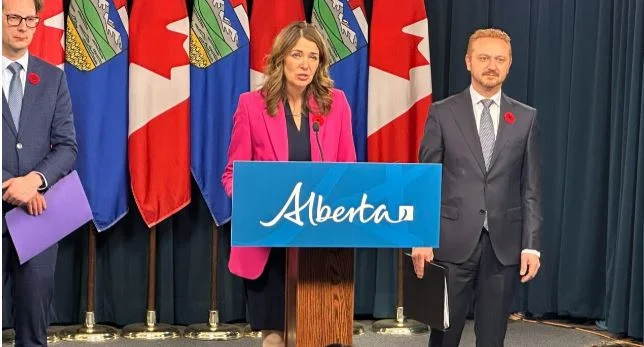
The Alberta government has introduced legislation proposing restrictions on the use of diversity, equity and inclusion (DEI) policies in hiring and promotion decisions across public institutions. The bill would also limit mandatory DEI training for employees, with the government saying recruitment should focus on qualifications, skills and merit.
The proposed legislation, introduced by Justice Minister Mickey Amery under Premier Danielle Smith’s United Conservative Party government, would affect public agencies, Crown corporations, universities and other post-secondary institutions, school boards and municipal governments.
The government says the changes are intended to ensure that the most qualified candidates are selected for public-sector positions and that employment decisions are based on job-related criteria.
Which Institutions Would Be Covered?
If passed, the legislation would restrict covered public institutions from using DEI policies in hiring and promotion decisions.
The proposed rules would apply to several categories of public bodies, including:
- Public agencies and Crown corporations.
- Universities and other post-secondary institutions.
- School boards.
- Municipal governments.
Government officials have also indicated that some non-profit organizations receiving provincial grants could eventually be brought under the rules. The final scope would depend on regulations established later.
The government says provincial public-service recruitment already operates on merit-based principles. The proposed changes are intended to address hiring policies across other public institutions that manage their own recruitment and promotion processes.
The bill is expected to include certain exemptions, although the details have not been fully outlined in the supplied report.
Mandatory DEI Training Could Be Restricted
The legislation would also prohibit covered public institutions from requiring employees to participate in mandatory diversity, equity and inclusion training, except where such training is necessary for the work involved.
Other compulsory workplace training would have to be ideologically neutral and directly related to employees’ duties, professional skills and workplace responsibilities.
The bill would also amend Alberta’s Human Rights Act, including provisions that permit policies and programs designed to assist people who may experience disadvantage or discrimination because of characteristics such as race, disability, sex, gender expression, sexual orientation, religion, age or marital status.
The government says hiring and promotion decisions would remain subject to other applicable legal protections. The practical impact of the amendments would depend on the final wording of the legislation and its implementation.
Alberta’s Earlier Restrictions on DEI Policies
The proposal follows earlier measures by Smith’s government to restrict mandatory diversity-related training by professional regulatory bodies.
Previous legislation limited the ability of certain professional regulators, including the College of Physicians and Surgeons of Alberta, to require members to complete training connected with diversity initiatives. It also restricted aspects of regulators’ authority to discipline members over their conduct.
The government previously cited the case of Ontario psychologist and social media personality Jordan Peterson as one factor behind its approach. Peterson had faced disciplinary proceedings by an Ontario professional regulator over public statements.
The new bill would extend the debate over DEI policies to hiring and promotion decisions across a wider range of public institutions.
Supporters of merit-based recruitment argue that qualifications and job-related skills should determine who receives a position. Critics, however, have questioned the need for additional restrictions when public-sector employers already use merit-based hiring practices.
Bill Also Proposes Stronger Protections Against AI-Generated Intimate Images
The proposed legislation covers more than DEI policies. It would also expand Alberta’s legal protections against the non-consensual distribution or threatened distribution of intimate content.
The government wants the law to cover a broader range of material, including audio recordings, livestreamed content and intimate images that have been digitally altered or generated using artificial intelligence.
The proposed changes would address situations in which someone distributes intimate content without consent or threatens to do so. They are intended to respond to risks associated with digitally manipulated images and AI-generated deepfakes.
Although many offences involving the distribution of intimate images fall under Canada’s federal Criminal Code, Alberta has provincial legislation that allows affected individuals to pursue civil remedies.
Proposed Penalties Could Include Fines and Imprisonment
According to the supplied report, the proposed legislation could allow penalties of up to $10,000 in fines, imprisonment for up to two years, or both. Courts could also be given the authority to order community service in certain circumstances.
The changes would broaden the scope of provincial protections concerning intimate content and provide additional remedies for people affected by the non-consensual sharing or threatened sharing of such material.
The precise penalties and legal requirements would depend on the final legislation and the provisions that are ultimately enacted.
What Happens Next?
The bill must proceed through Alberta’s legislative process before its proposed provisions can become law. Further regulations may determine which additional organizations are covered and how exemptions will operate.
If approved, the legislation could change recruitment policies, promotion decisions and mandatory workplace training across covered public institutions. Its separate provisions could also strengthen provincial protections against the non-consensual distribution of digitally altered or AI-generated intimate content.
The extent of those changes will depend on the final wording of the bill and how the province implements it.