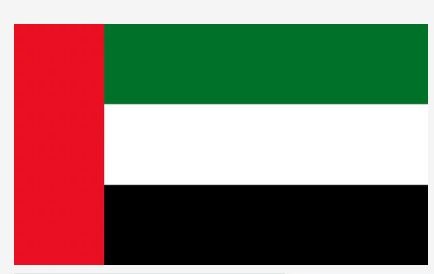
The True Post (Web News) Impact expected on the global oil market Abu Dhabi: The United Arab Emirates (UAE) has announced its withdrawal from the Organization of the Petroleum Exporting Countries (OPEC) and OPEC+.
The decision will take effect from May 1, 2026. According to the Emirates News Agency, officials have said that the UAE will gain autonomy in its oil sales policy. OPEC was founded in 1960 with key member countries Saudi Arabia, Iran, Iraq and Kuwait, while OPEC Plus was formed in 2016, which also includes other non-OPEC countries, including Russia. Both organizations determine global oil production and prices and control about 40 to 50 percent of global oil production.
The UAE’s announcement of its withdrawal comes at a time when the global oil market is already volatile. The Iran-Iraq war is now in its ninth week, and the situation in the Strait of Hormuz is affecting oil supplies, sending crude prices above $110 a barrel. Experts say the UAE’s decision to withdraw was not sudden. It is directly related to growing disagreements with Saudi Arabia over production limits. Under the OPEC+ agreement, the UAE’s oil production was limited to about 3 million barrels per day, although its actual capacity is more than 4 million barrels per day. The UAE had expressed its desire to increase its production to 5 million barrels per day by 2027.
According to the report, the UAE’s decision will not have a major impact on the global oil market in the short term because much oil production has already stopped due to the crisis in the Strait of Hormuz. However, the effects of this separation in the long term could be significant. This decision is an important milestone for the UAE because countries like Qatar, Ecuador, Indonesia and Angola have also left OPEC before, but the separation of a large and founding member like the UAE is a big message on the global level. Experts say that this move by the UAE could further complicate the shape of the global oil market, especially at a time when global oil prices are at their highest levels and the oil supply situation is uncertain.
 Imran Ahmed Send an email April 28, 2026